Projects · October 2026 – October 2027
I turned my year pass at the National Museum into an art appreciation class for myself
One year. Thirteen visits. Four to six pictures each time, with something to hear or watch before, and a voice note afterwards.
I walked into Nasjonalmuseet with an ordinary ticket and out with a year pass (nice system, well promoted). It was my first time there. I had never cared much about paintings, but in August a friend had dragged me along to Kumu in Tallinn, a whole day, and I liked it much more than I'd expected. And at Nasjonalmuseet there was Asta Nørregaard, whom I had never heard of, and I stood in front of her paintings for a long time.
So I had a year. That's a nice frame for learning something properly, but I couldn't find a path: the museum has lots of exciting things for adults, but it's all very fragmentary, with no order or progression. So I ended up having to do it myself. I told Claude what I like and what I wonder about, and asked for a program with a couple of pictures per visit. And it did it!
What one visit looks like
3 November 2026 · The whole program →
Before
Three short videos

Smarthistory on the Counter-Reformation and Caravaggio.
“The Baroque is very earthy; it's close to us.”
At the museum
Specific pictures, and two to walk between
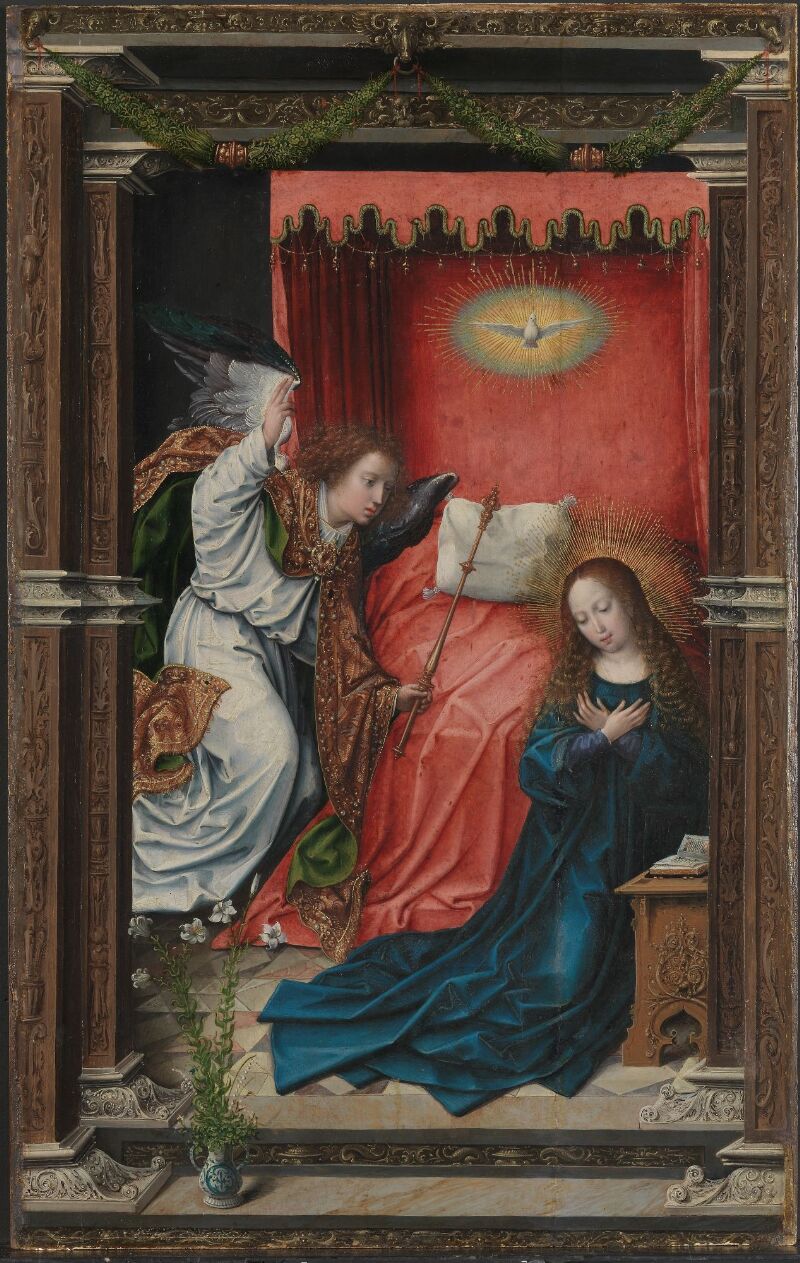
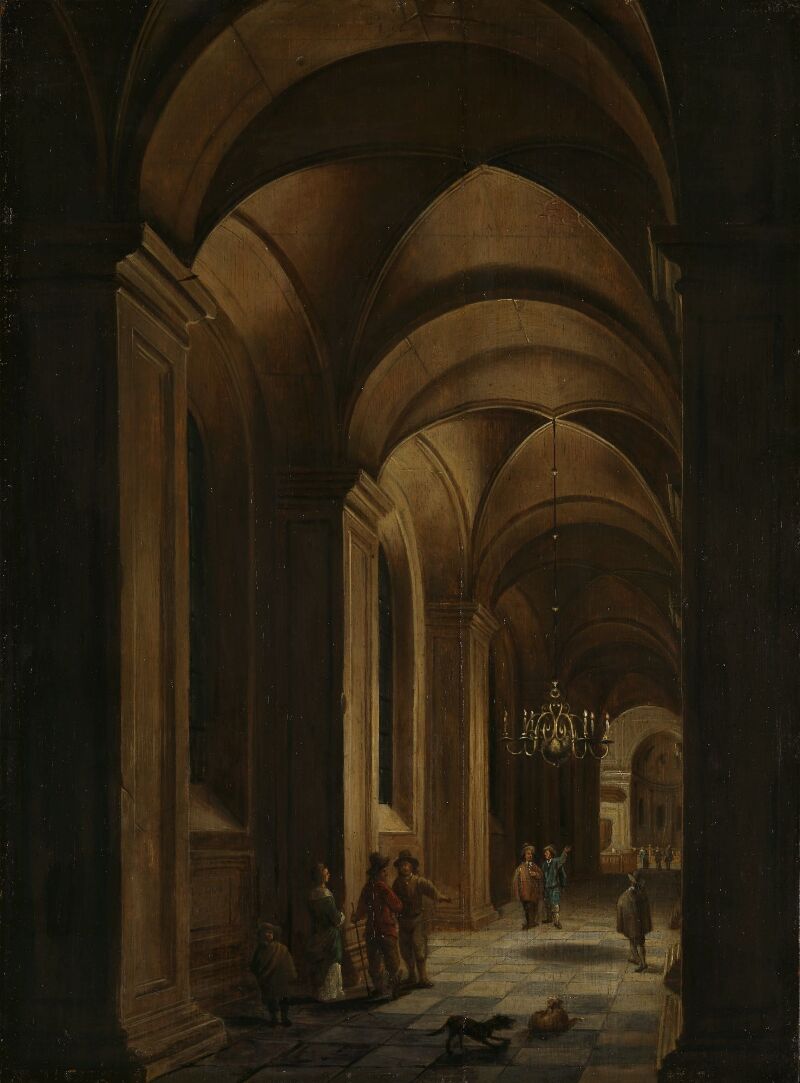
Before and after the Reformation, in the same part of Europe. 30 seconds in silence, before the label. Three minutes: ten things you see, then ten more. Ten minutes: where does the light come from, who was it painted for?
“… as if they were in a market.”
Afterwards
A voice note
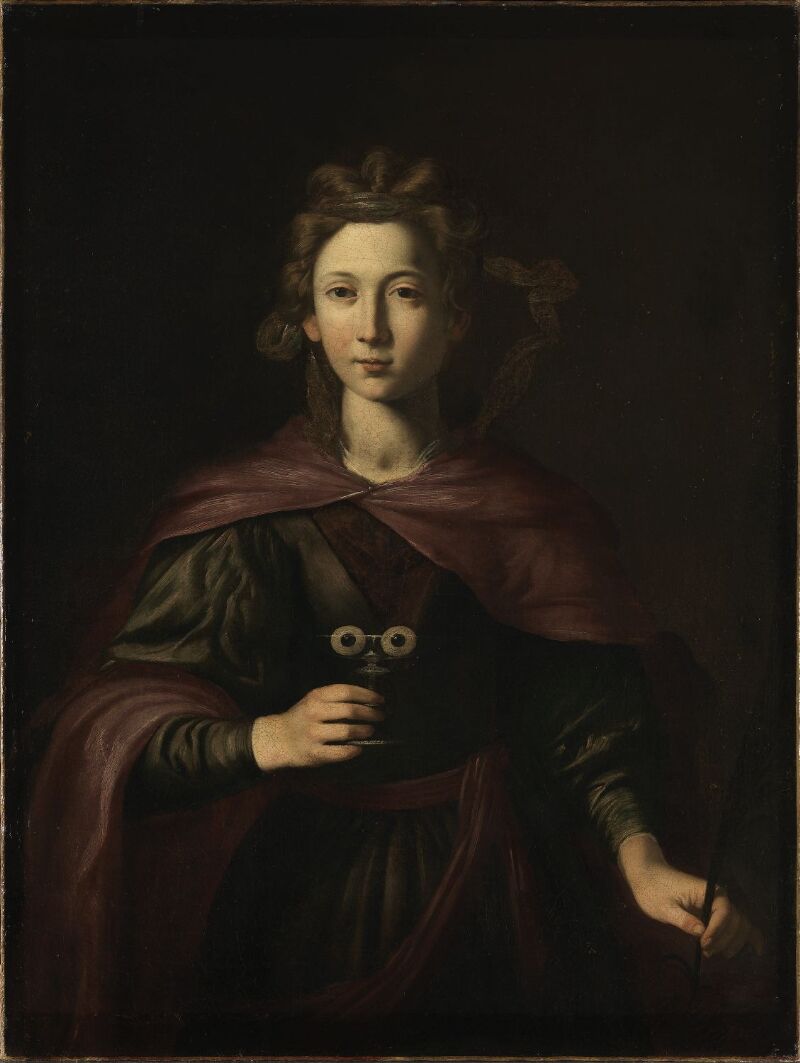
What held up, what didn't, and the next question.
“She almost looks like a modern superhero.”
The background
I've been to some museums. One I remember well: a museum in Amsterdam that showed a historical timeline through paintings, period after period. We have also watched some documentaries about painters in the cinema, and we really liked one about Caravaggio, so we bought a book with his paintings, and went to Sicily to see one of them.
Part of the reason why it's fantastic to listen to an opera from 400 years ago, read an old book or see an old painting is thinking about what it tells me about the people who lived then, and about all the people who have watched, read and reacted to the same work over the centuries, and how it connects me to them.
Kumu


In Tallinn I liked a lot of the beautiful, detailed historical pictures, and how they showed the different periods: how painters from Russia and Germany and Estonia depicted similar topics, in one period inspired by Italian paintings or mythological paintings, in another by completely different styles. It was really interesting to see how that changed. And then the 1920s, with all this crazy experimentation, cubism and pointillism and all kinds of stuff. In 1945 there was social realism under the Soviets, and then you could see how that also slowly started to become subverted.
And then the modern rooms
With the Dutch masters, the religious paintings, the cities and the mountains, I can spend 10, 15 minutes in front of one picture, zooming in and out, looking at the details, thinking about the people, the situations, the moods, being astonished at how people are able to create this with their brush.
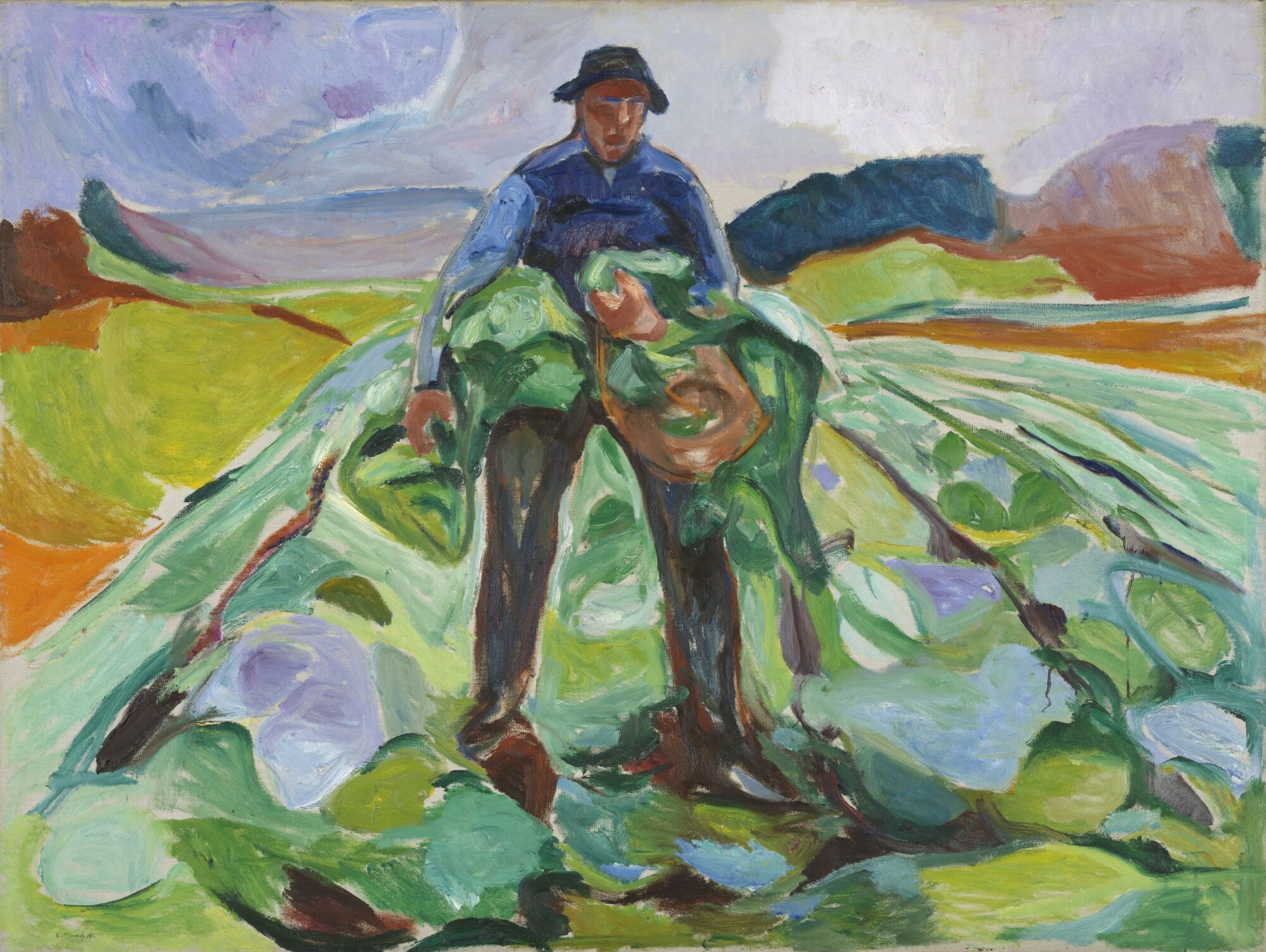
Then I come to the modern section, anything almost after 1900, and it kind of leaves me completely cold. Munch, Picasso, Kandinsky: I feel like a glance is enough. I'm not saying there isn't any depth, but I can't see it.
And then there's the classical “I could have painted that” feeling. What's the richness, what's the value? It reminds me of when our reading circle was going to read Ann Jäderlund's Samtalensom for Nordisk poesifestival. It felt more challenging than both Wergeland and Homer. I accept that a lot of people think this is really great, I try very hard to understand it, and I find that I can't. But I'm really curious about who can help me have an experience. It's about the struggle of entering a cultural field as an adult: the sense of not understanding, of feeling stupid, the emperor's new clothes. And about the difference between the historical and biographical approach and really seeing, similar to deep reading of a text.
An important principle for me is assuming that the classics are good, or at least interesting, that there is something about them that has touched and moved people for centuries. The question is not “Do I like it or not?” It is “Can I discover? Can I appreciate what it is about this work that has touched people?” And it applies to certain modern art as well. My grandfather was reading a 1,000-page book about English history when he was 80. He was a very big inspiration to me: you can learn throughout your life.
So I went to Claude and said: I know nothing about art history, or how to look at visual art, but I would like to learn to look at pictures and get more out of them. And I want to understand why people rate the modern masters so highly, whether or not I end up liking them. Make me a program, with a couple of pictures to look at each time, so I can prepare with podcasts, YouTube videos and books.
Why the program looks like this
The whole year
Second look → Light and faith → Landscape → Detail → Who got to paint → The circle → Claim → Surface → Expression → Form → The choice → The eye → The return → The verdict
October–January
What does the picture show?
First where you already stop. The eye practises on what can be pointed at: a face, a light source, a landscape, a detail.
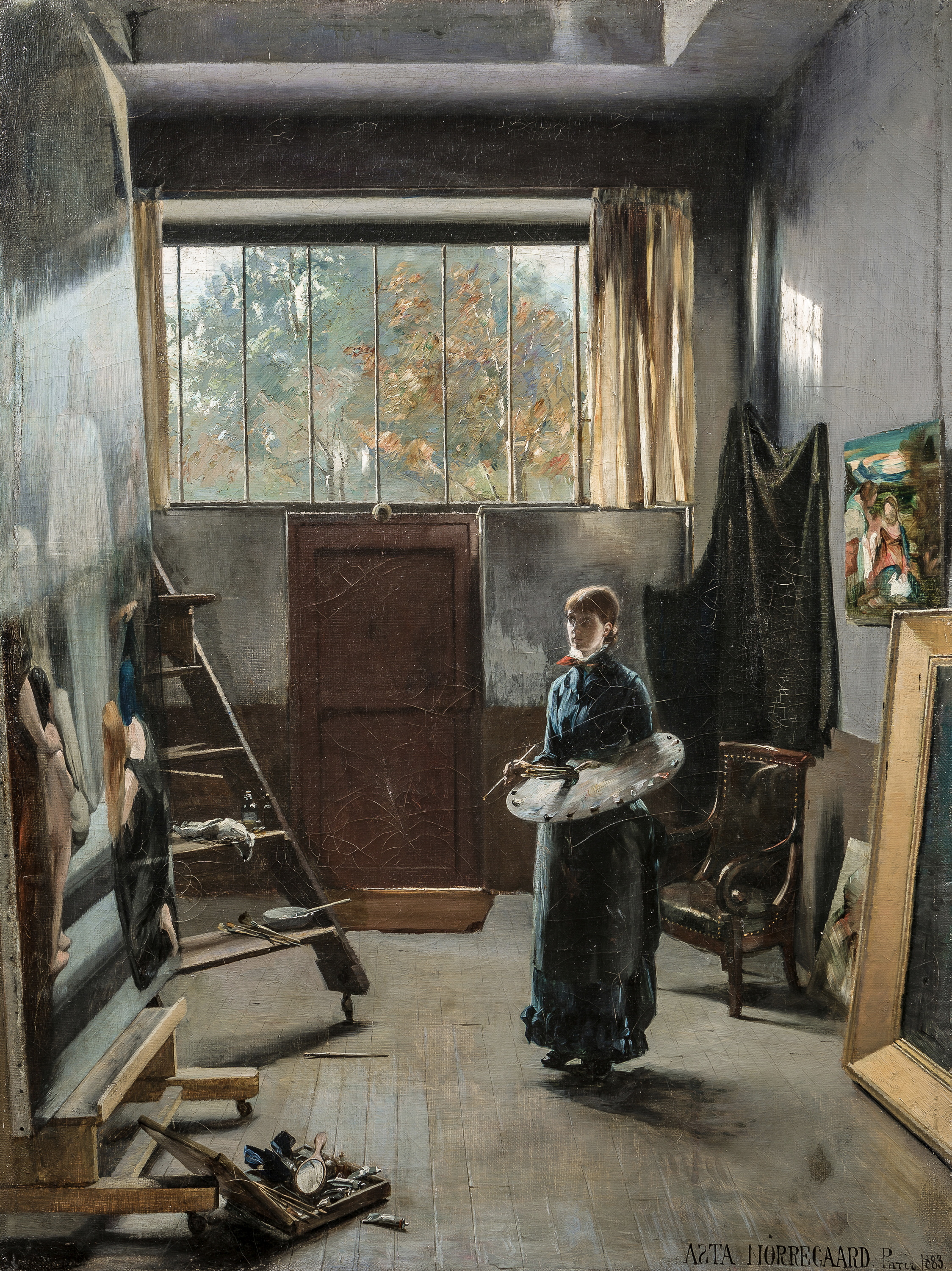 October DoneSecond lookAsta NørregaardThe same pictures for the third time. What do you see now that you did not see last time?
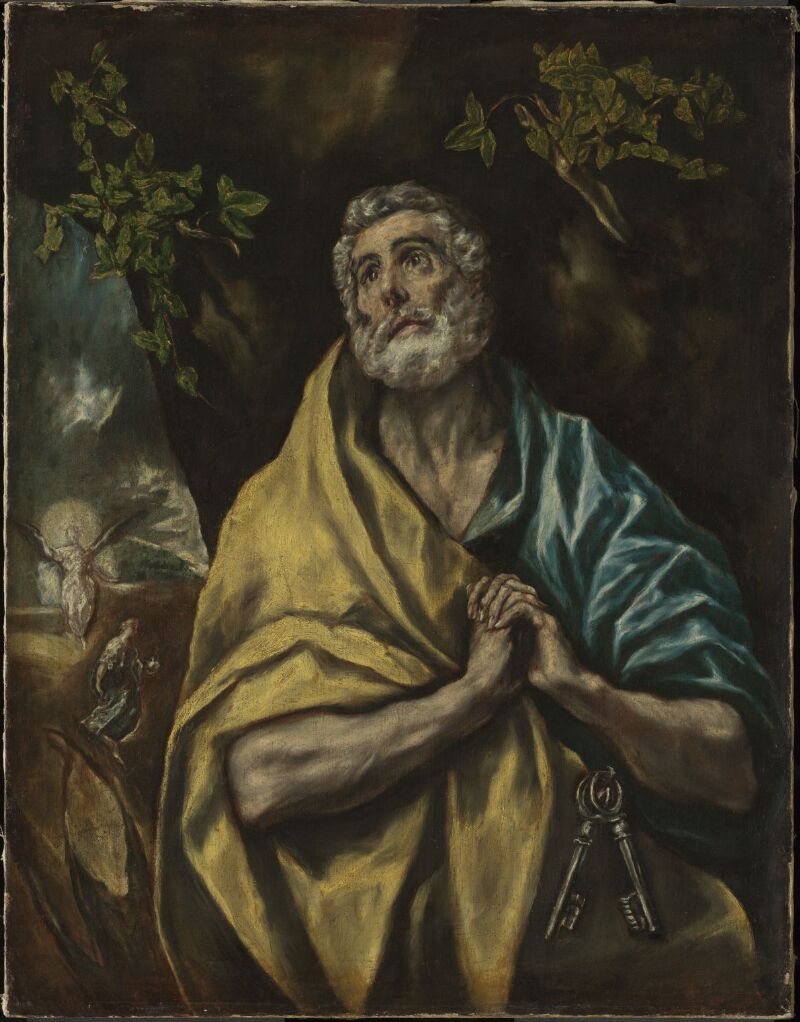 November DoneLight and faithCatholic and ProtestantBaburen's temple, El Greco's Peter and a whitewashed church. The picture as argument.
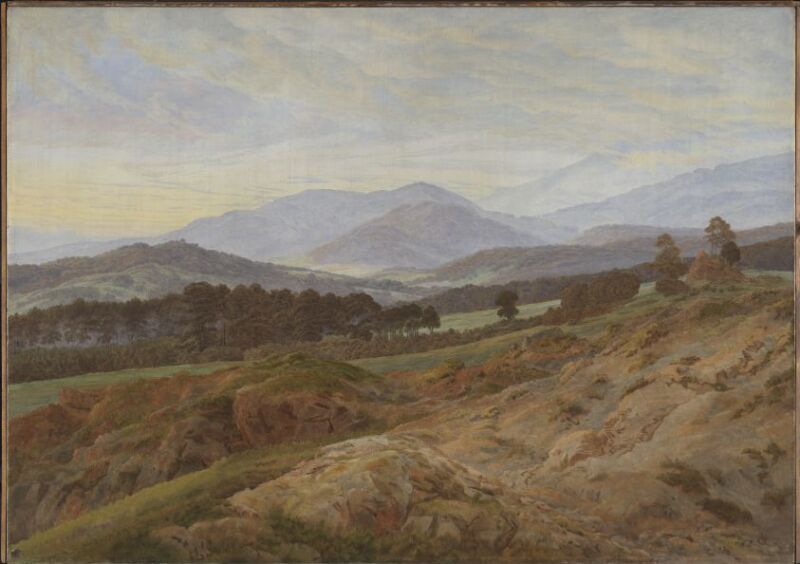 December LandscapeDresden and the mountainFriedrich empties a landscape into a thought, Dahl fills one into a nation.
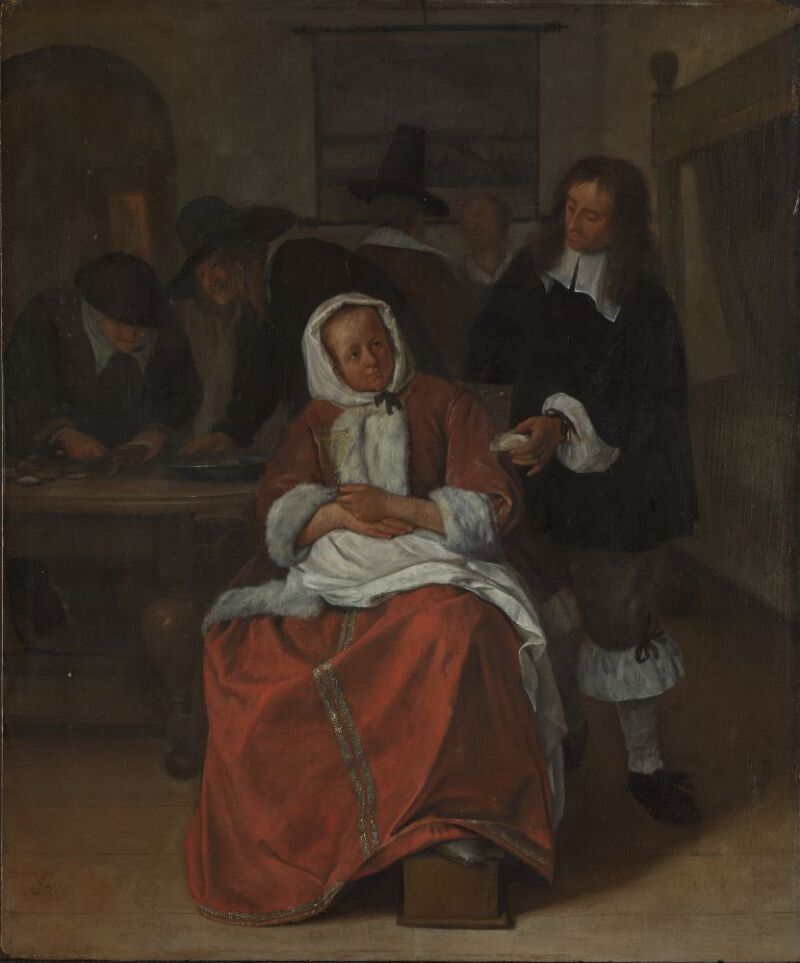 January DetailDutch detailPainted to be seen from twenty centimeters. Avercamp's skating town against Cranach's golden age.
January–March
Who painted, and for whom?
Then the people around the picture: the women who got to paint, the friends in Paris, the nation that needed a picture of itself.
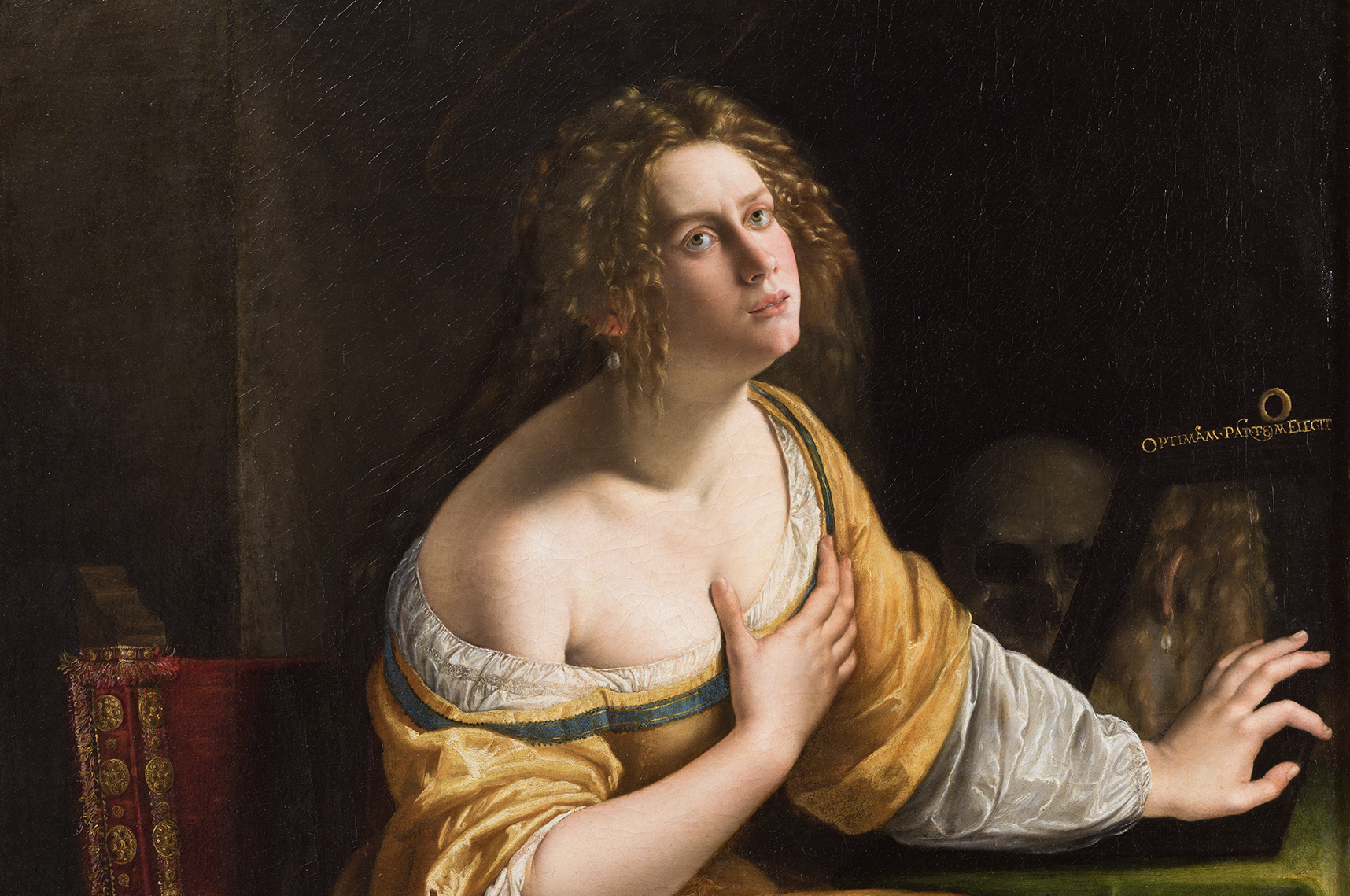 Before 7 February HalfwayWho got to paintMaler(inne), the exhibitionCourts and convents in the south, workshops and guilds in the north. Once more, after reading about the trial.
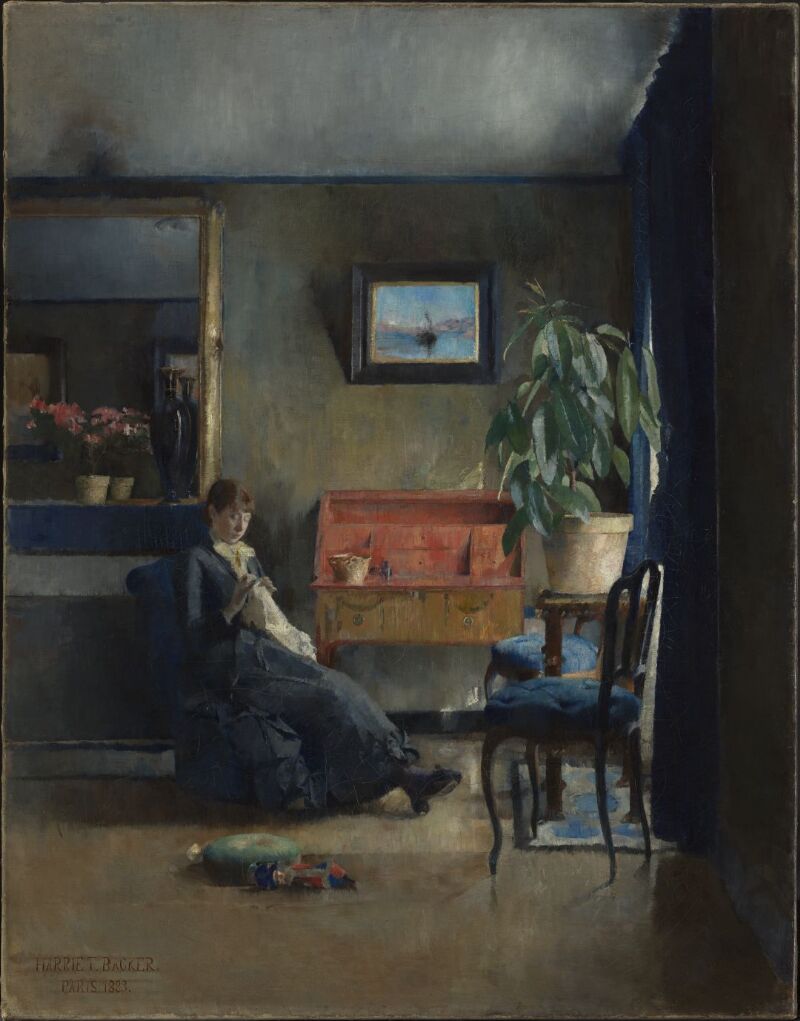 February The circleBacker, Nørregaard and ParisThe room is not blue in itself. Backer's blue against Hammershøi's grey, and the friends who painted each other.
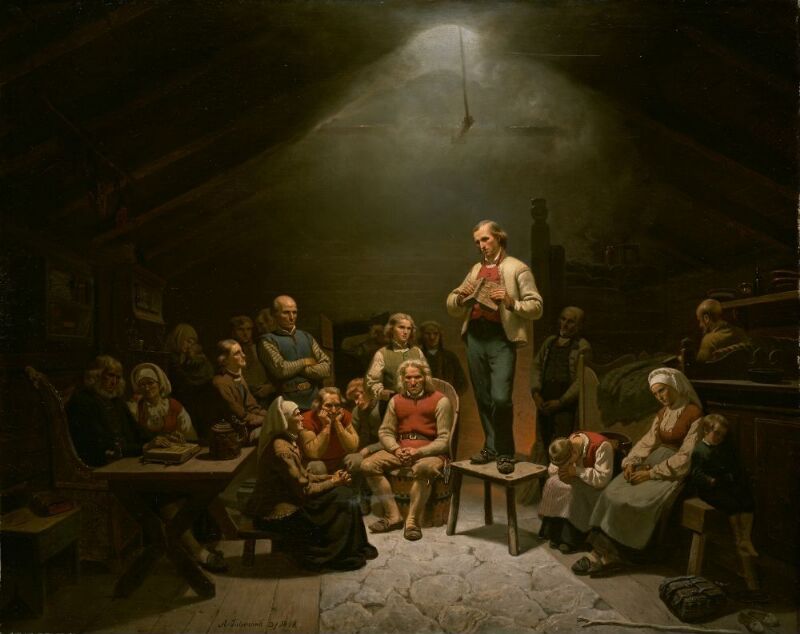 March ClaimPainting the nationTidemand's Haugians against Peterssen's Christian II. Which painter believed his own picture?
April–June
What does the paint do?
The turning point. The picture stops being a window and becomes a surface. The method is practised by now, and it is tried on what you say you do not see.
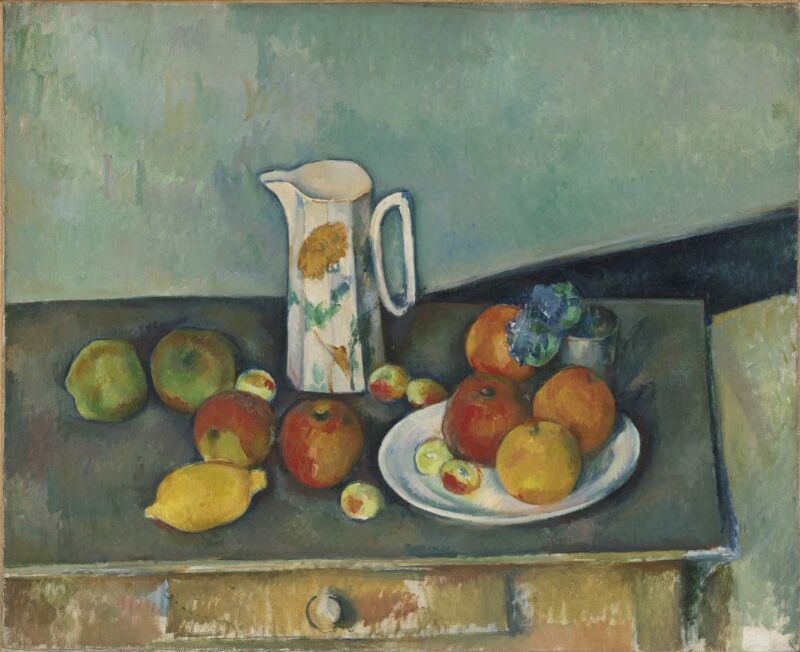 April SurfaceParis 1867–1918How many colors are there in one apple? Cézanne's apples against van der Ast's.
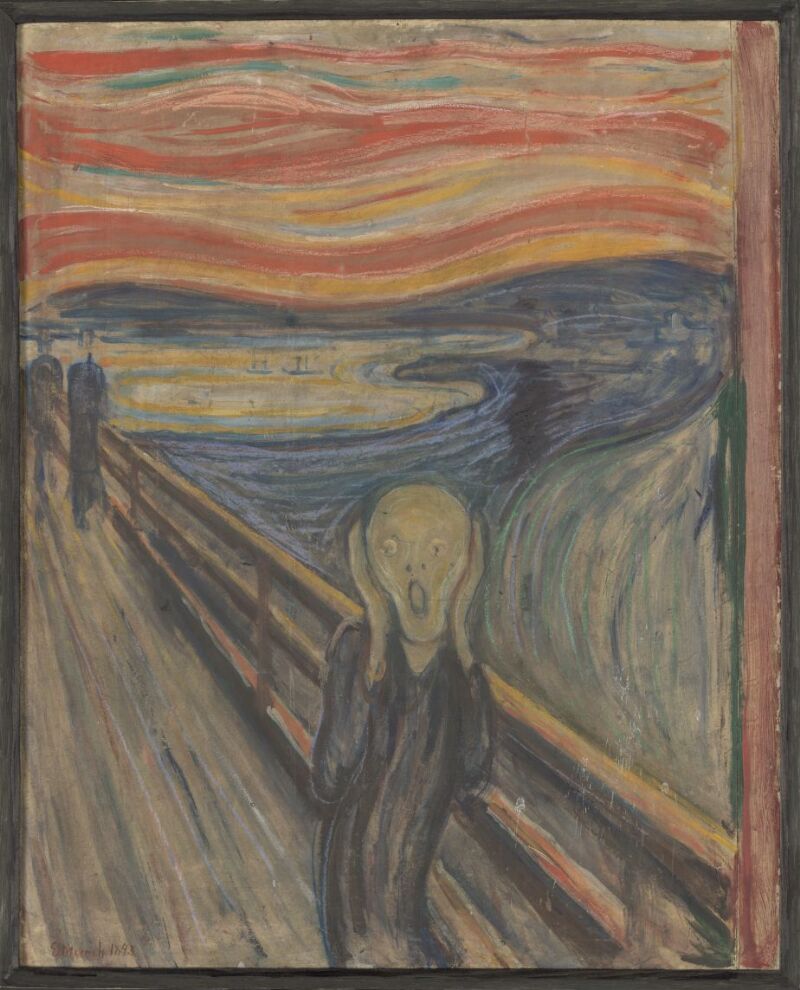 May ExpressionInto the modern roomsKrohg's sick girl against Munch's sick child. The first visit to the modern rooms with time to spare.
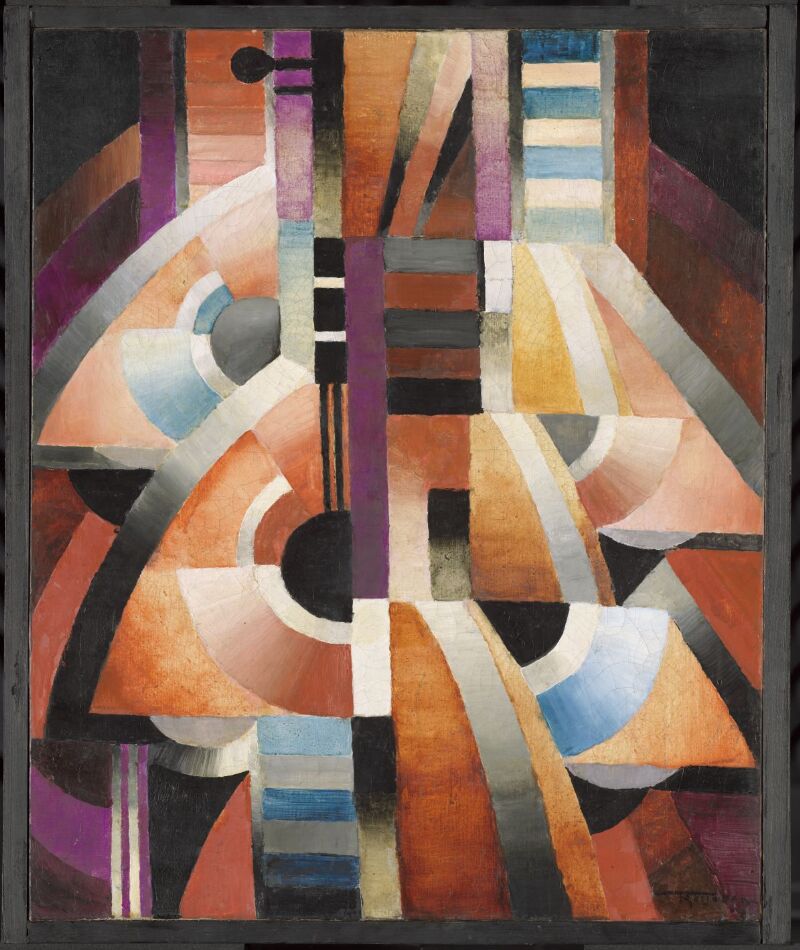 June FormCubism as a networkHellesen's Balalaika against Picasso's Guitar. The second ten things you see are about edges.
July–October
What does the picture do to me?
The hardest last: post-war art, “I could have painted that” and the old technique coming back. Then a verdict, with a date.
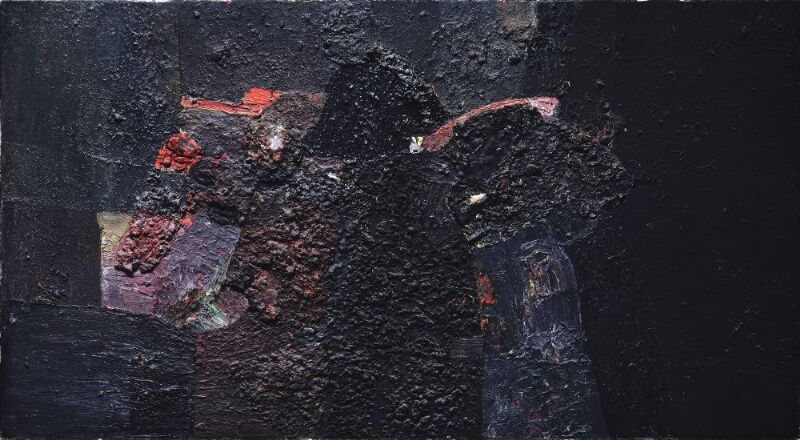 July The choice ©After the catastropheWhat does painting choose when it is free? Ekeland's Struggle against Weidemann's pine stump.
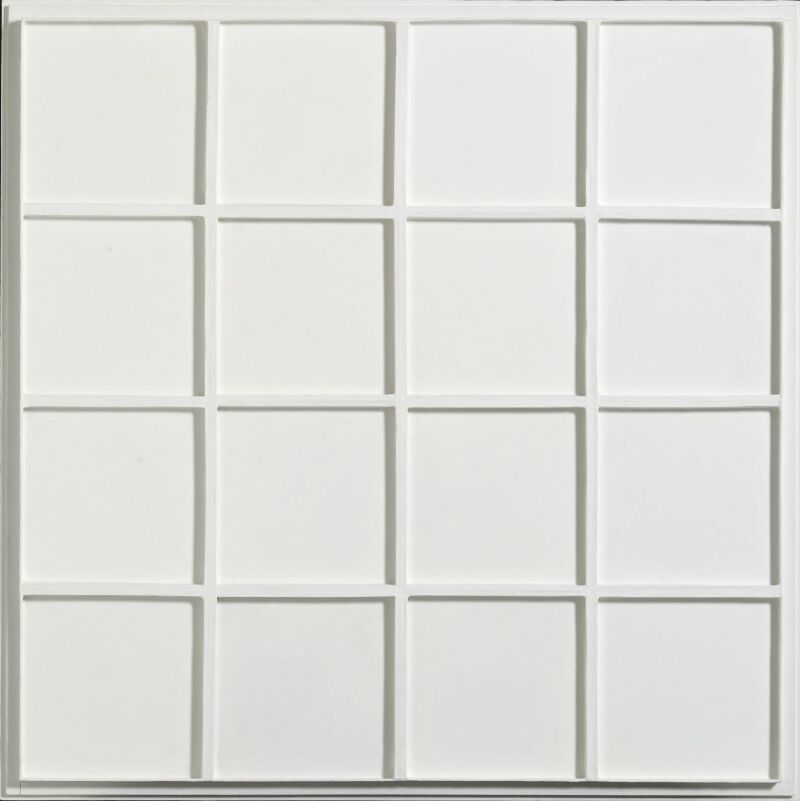 August The eye ©“I could have painted that”Optical art as a test. Describe how you would make it, then stand still in front of it for two minutes.
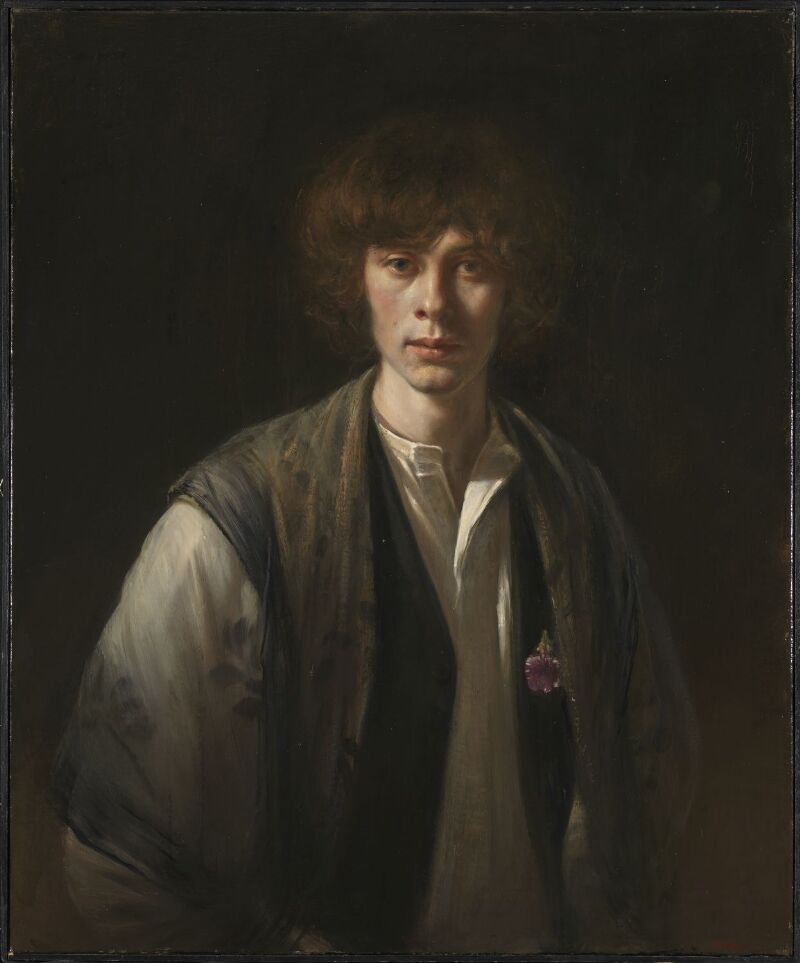 September The return ©Back to paintingNerdrum against Ribera, 350 years apart. Is the light doing something, or is it only a quotation?
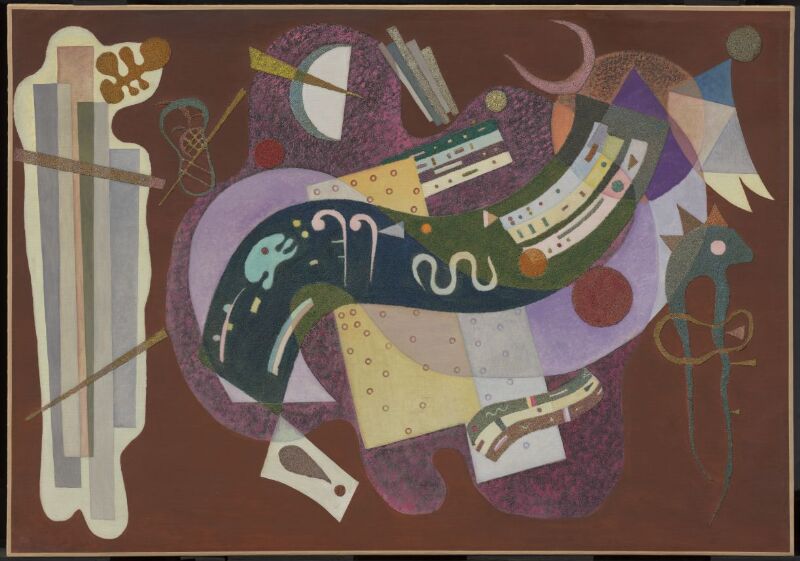 October 2027 The verdictThe year read backwardsA dated verdict on Munch, Picasso and Kandinsky, even if it is “still nothing”.
 Now, alongside, with no dateFrom Florence to the DutchTen parts and 52 short videos at your own pace. Added after 3 November, because he asked for it.
The whole program, picture by picture →
The journey so far
Visit 1 · September · Wide open
The first time I went there, I had no idea what to expect. When I came to Nasjonalmuseet there was an exhibition of Asta Nørregaard, a very traditional Norwegian painter who mostly painted portraits, and somehow I really liked her pictures a lot.
I walked around exploring, fascinated by Asta and by what I remembered as Bosch, and surprised by the abstract art. It started the process and signed me up.
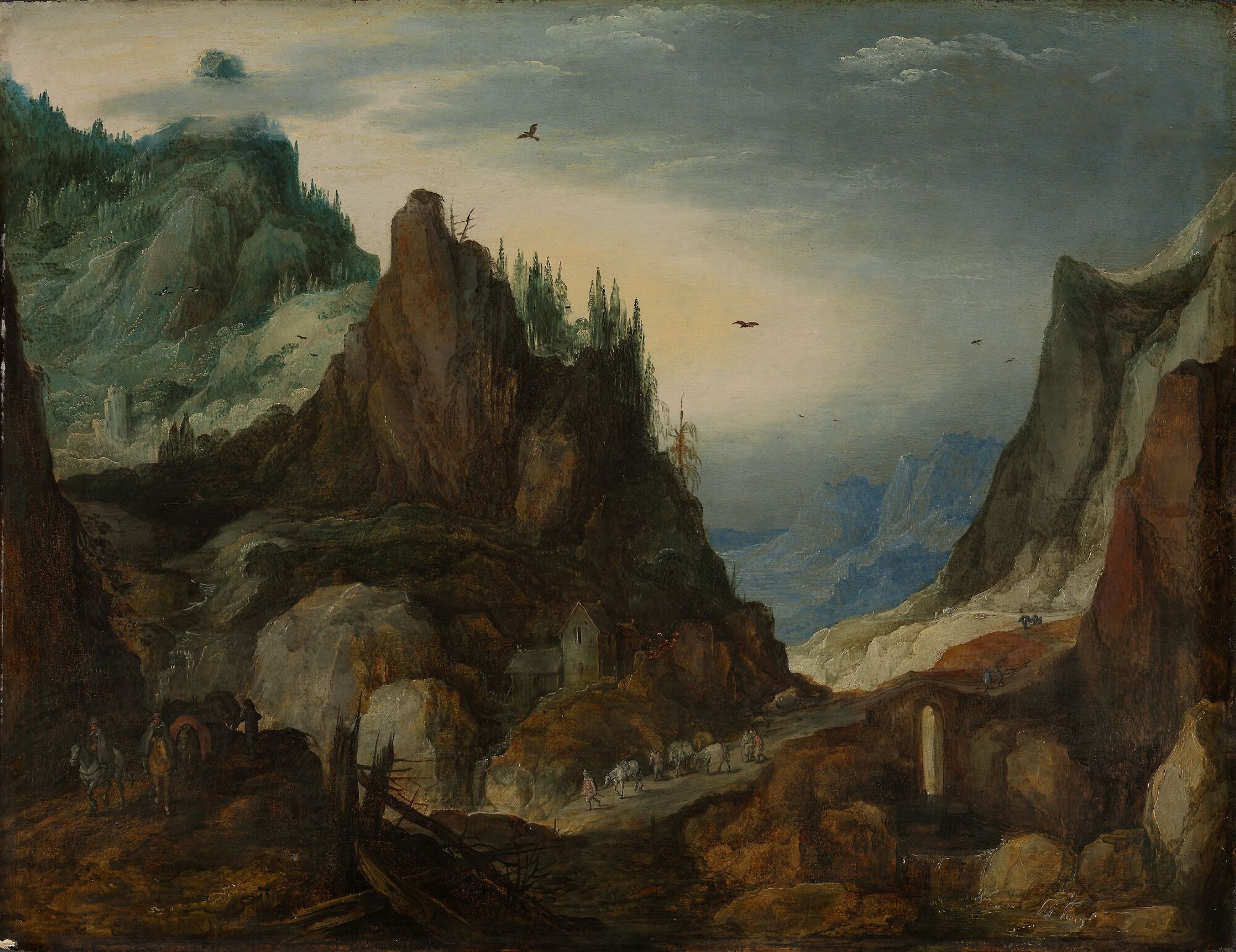
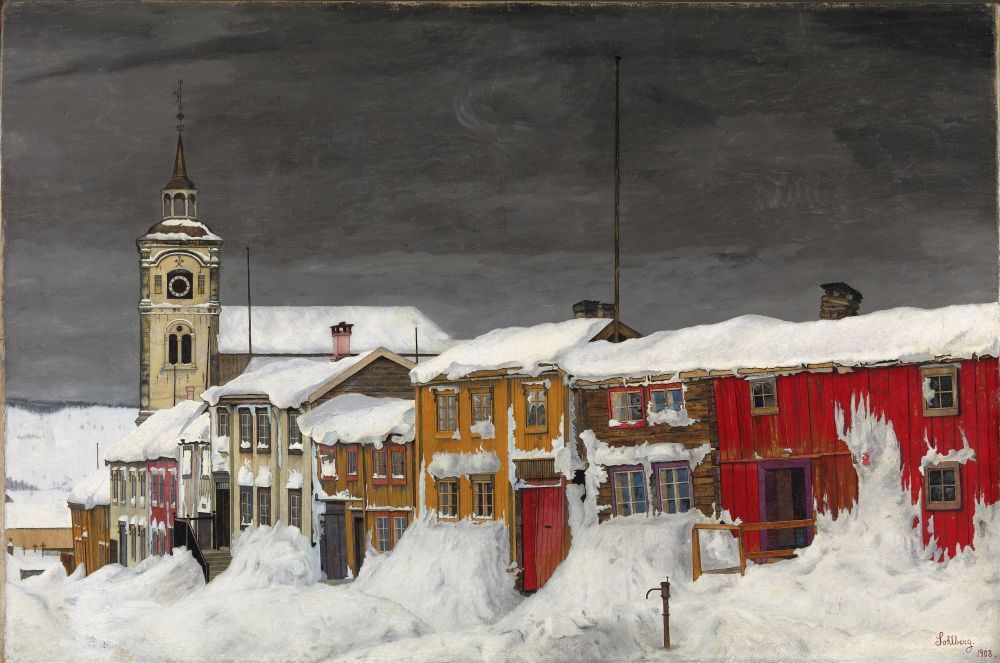
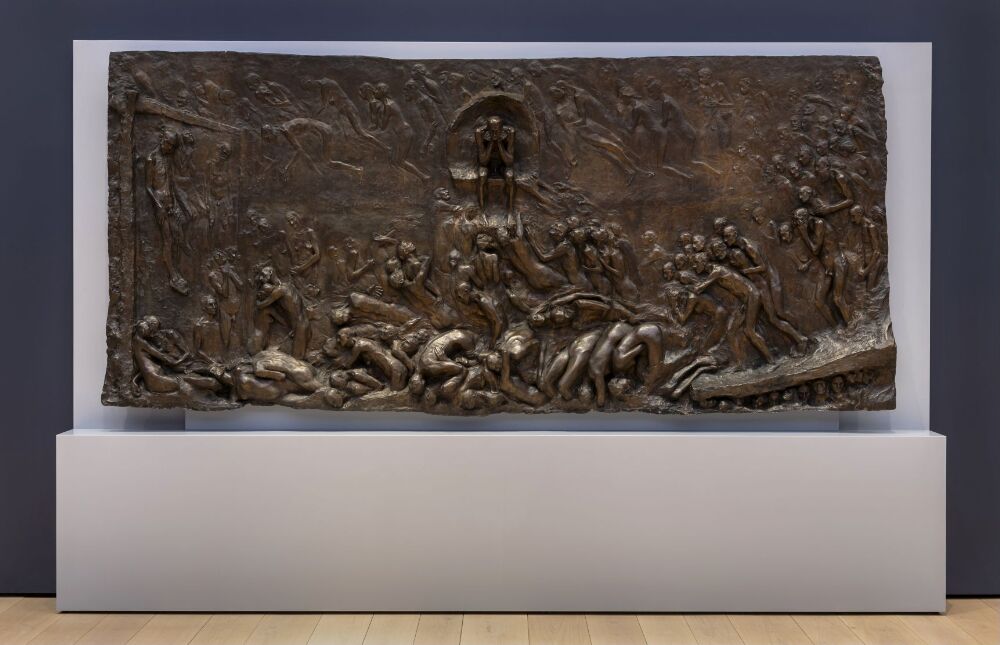
And in the room next to the café there's a mountain landscape with small caravans, painted in extreme detail, where different things are happening at different places and your eye can kind of spill over it. It's very different from the huge, zoomed-in tableaus. In the same room is Vigeland's Hell, which interests me because of Dante, and a Norwegian winter town by Sohlberg, I think, with extremely clear colors, where the snow almost feels like it's layered on top.
Visit 2 · The book, and back to Asta
I ended up reading a full book about her life. She and the other female painters were not able to join the traditional studios, they had to go to private lessons or special schools. But they still got a lot of practice, and there was a community. I'm always fascinated by these kinds of communities, especially the international ones: there seem to have been so many Norwegians in Paris visiting each other, writing letters. And then how she was resisting the modern styles of painting and really sticking to the old, and ended up painting a lot of portraits, maybe because that was lucrative and safe. I saw the exhibition three times.
I first went into Asta's room, because it's the first thing you see. I really enjoyed the feeling of revisiting paintings that I've seen before, getting familiar with them. There's almost a sadness with the temporary exhibitions, where you know that you might never see a picture in real life again, whereas the permanent collection you can visit many times.
I liked the Christ picture, the nuns, the village girls, the ruins, but also some of the portraits were incredibly strong. Some of the priests, some of the ladies with incredible kind of fashion and presence. Even the children were interesting.
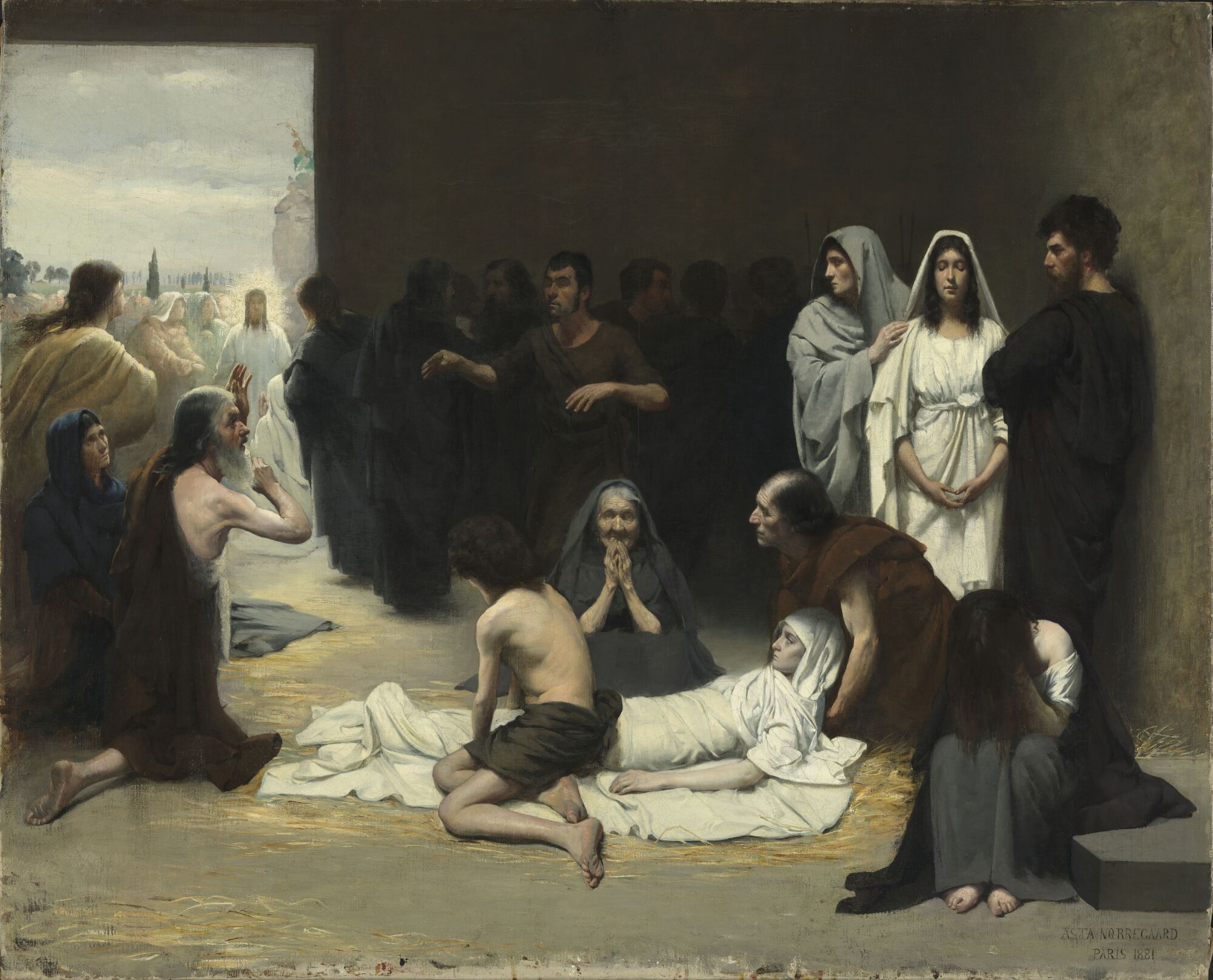
I'm still fascinated by the big painting of the sick woman. It does feel much older than her time. There are so many people there, a much larger view than in Caravaggio, who is often zoomed in on one or two. The two people wearing very bright colors to the right balance the composition: if everyone had dark clothes, it would have been very, very dark on the right side of the painting. And all the different attitudes: the people who are amazed, the people who don't pay attention, the people who are in sorrow.
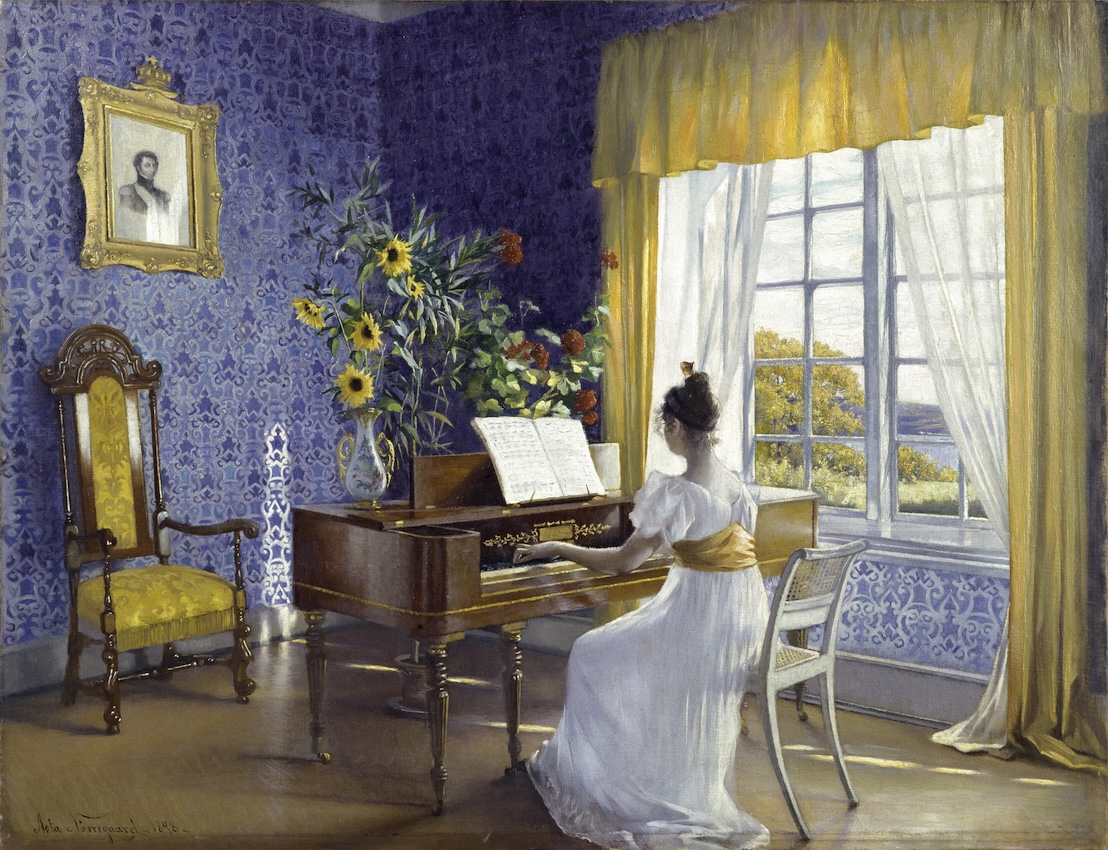
There's also a blue picture of a woman playing the piano, which I think has incredibly beautiful colors. I would love to have a poster of that above our piano.

The ruin with the woman getting water I think is incredible, because it makes me imagine everything around her: the temperature, the smells, the sounds, the landscape, the history. I guess that's why people like to put ruins in pictures.
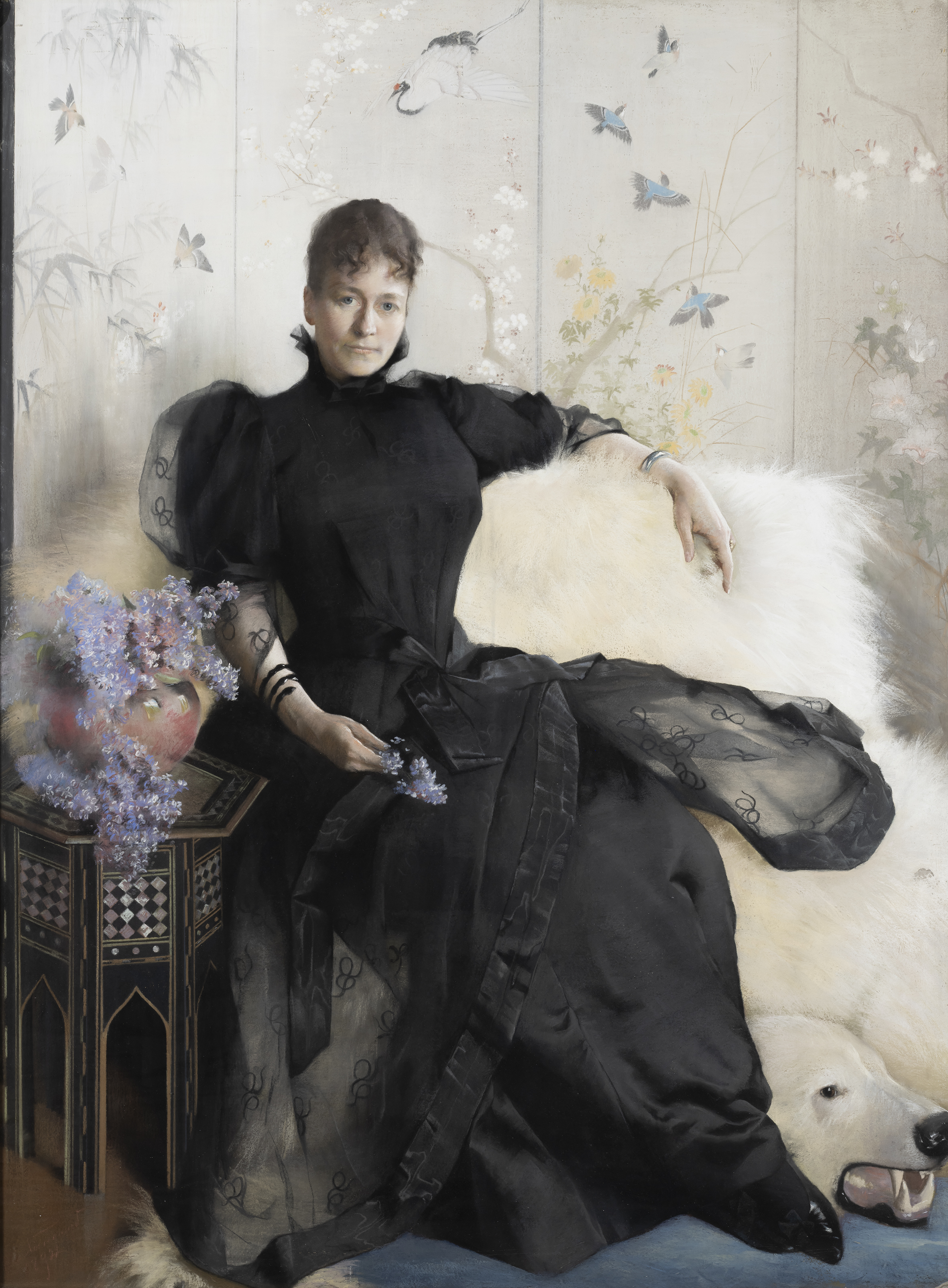
And the picture of Fearnley: the upper classes in Norway, which you get through books as being very dusty, are here so visually stunning, so poised. You feel like you get to know these people at a completely different level.
Visit 3 · 17 October · The program begins: Maler(inne)
The day before: Artemisia
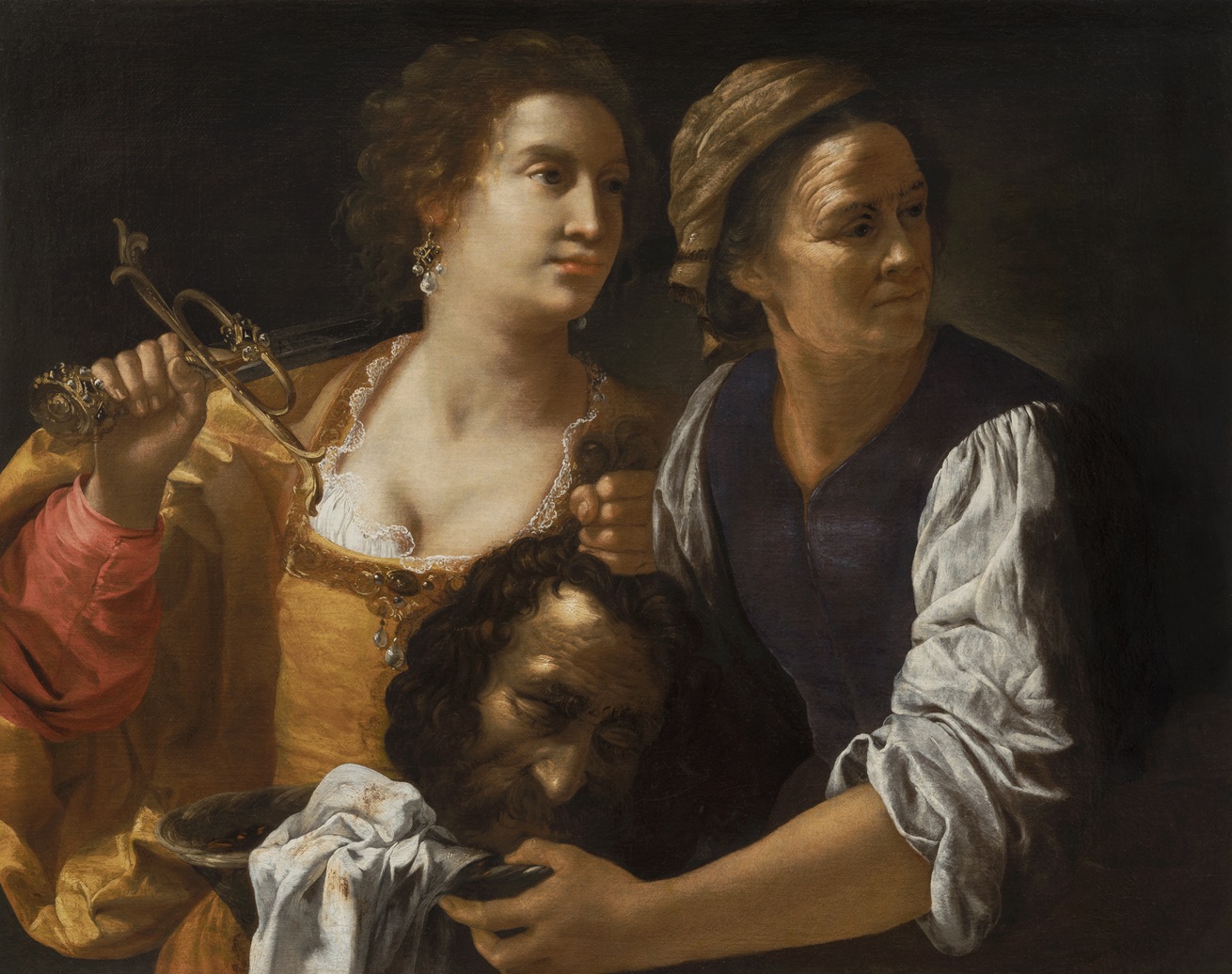
I listened to several podcasts about Artemisia Gentileschi, one of them in Swedish, and watched the museum's film about restoring their own Gentileschi painting. It was interesting to see how damaged the painting was after 400 years, and how much they actually try to make it look as close as possible to what it was, as opposed to ruins, where they are often very conscious of not rebuilding, only showing you what is left. It seems like both Asta and Artemisia were really interested in fashion and fabrics. It's 300 years between them, and I don't know enough about art history to say how their styles are different. What are all the different periods that happened in those 300 years? Or did Asta skip some of them?
The podcast talked a little about Rome, that it had been in ruins for 1,000 years and was starting to be rebuilt, with a lot of energy and money and artists from all over Europe coming there. The interview was with a curator, so it's interesting to think about that job: how they choose whom to feature and whom to put together. Even the logistics of borrowing all these paintings must be very complex and expensive. I don't know if there are famous curators in the same way that there are famous conductors. Would you go to an exhibition because a specific person has curated it?
What is a name worth?
To what extent is the value of a work connected to the person who painted it? A lot of the interpretation of Artemisia's pictures is related to her own experience as a woman who was sexually abused, but also as a woman who lived during a specific time. In literature you talk about the death of the artist, whether you should be able to interpret a work without knowing what the artist intended or who the artist was. It reminds me of the story of Ossian, I think, this fake epic that became really popular in Europe until people found out it was fake, but it was real, someone had written it. I wonder if that's the question Nerdrum is asking: if someone painted a painting like this today, would it have the same value?
And I think that's why so many people are skeptical of fine art, because of the art trade and fame. If you discover a painting and you think it's a Rembrandt, then it becomes worth millions, but if you realize it's the janitor who painted it, suddenly it's not worth anything. Which seems strange. There are millions of paintings from the Baroque and the Renaissance, and which of them are now thought of as masterpieces, and why exactly, I find very difficult to know. And now we have AI, which completely changes the whole discussion.
Why aren't we allowed to make classical art and classical music anymore?
It's also fascinating how strong the sense of style and period seems to be, especially for music and paintings, I would say, more so than for literature. Literature just feels so much more diverse. I guess you also need a lot less money, and you don't have to be so dependent on others to write. Why is composing a neoclassical symphony, or painting a beautiful picture of a person or a modern city, so looked down upon? There are still people who write epic poetry. Literature feels much more open, though maybe I'm wrong. Which are the communities of painters today, and how does that look in different countries? I know almost nothing about all of this, especially if you go beyond the crazy modern art that gets a lot of attention. Artemisia sounds like the kind of thing that is easy for me to like: very detailed, beautiful, dramatic images, painted by someone who has a very interesting life, in a historical period that is interesting. This is much easier for me than Munch or Picasso. But I guess we're starting out easy.
In the exhibition
What struck me in Maler(inne) was the lack of any kind of explanation. No posters telling the bios of the painters, no artifacts other than the paintings. You have zero sense of what the art scene was like in Flanders or Italy at that time. The restored painting from the film I really didn't like: the shadows on her face obscure so much of it and give it a strange shape. The other Mary Magdalene I liked much better, an extremely clear and detailed face, not conventionally beautiful, but with a lot of personality.
I think the concept of the Counter-Reformation is really interesting. I would like to know more about how the church used this kind of very vivid art to attract people. And the way they used biblical images to be able to depict so much nudity. Even here, where we're talking about a prostitute who has repented, we are not showing her in a very conservative garb, but still provocative, with part of her clothes almost uncovering her breast. It's interesting that the church was so permissive of this.
It's also fascinating how extremely much billowing fabric there is in the exhibition, and all the skill in painting these robes, both for men and women. I'm always completely amazed at how they're able to capture these nuances. I'm fascinated by the technical skill required to make something like this. With AI that human skill is completely absent, and then the same picture is perceived very differently, because we know it was trivial, done in a second. With modern art, it's often that we don't feel like it would be difficult to do. Does the concept then have to carry more of the meaning?
When I came back down to Asta on the way home, I noticed how much brighter her paintings are, and how much more lifelike. I don't really have the vocabulary to describe the difference. Could Gentileschi have painted like Asta if she wanted to? Could Asta have painted like Gentileschi?
Visit 4 · 3 November · The Renaissance, the Baroque and Maler(inne) with a guide
Three videos first
Before going in, I only had a chance to see three Smarthistory videos. I found these short videos incredibly helpful and well-designed. I knew very little about the Counter-Reformation. I vaguely grasped the iconoclasm, but not the details, and it firmed it up for me. It positions Caravaggio in a very interesting way, for example, and it's interesting to think about in contrast with the Muslim faith and my visit to Davids Samling in Copenhagen, with a ton of Arabic miniatures: very beautiful, with detail and beautiful color, but quite lifeless, and not very much emotion or action, apart from a few battle and hunt scenes. Some of these Renaissance paintings are very bright, kind of distant, very idealized. The Baroque is very earthy; it's close to us. It's like a moment caught in time. Saul is lying on the ground with the horse's hoof over him, and the heaviest element is on top. Even the tax collectors, where it feels like you could just sit down at that table.
I always think of Catholicism as making the religious very high and a bit inaccessible, but in these paintings we see how they're really trying to bring it very close to people, make it tangible. And they talked a lot about modeling your life on the saints. It makes me think of the saints' biographies in Byzantium, of why Byzantine art doesn't seem to have had very much development, though maybe I know very little, and of knights and the romances, because they were certainly also models.
The Renaissance room
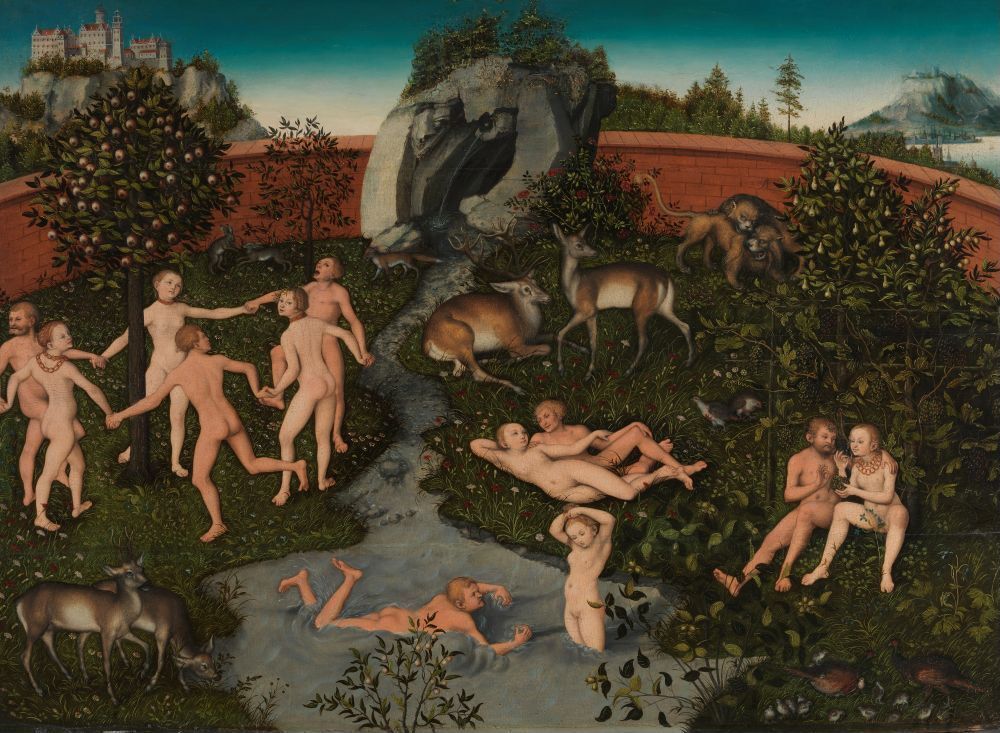
Cranach's The Golden Age is fascinating mostly because of the mythology. The painting itself is quite flat. After a while it feels kind of claustrophobic: this isn't a huge, endless world to explore, this is a very small enclosure. It's not a paradise where the whole world is like this, which is what you would expect from a Golden Age. It feels more like a zoo, or even a protected nature reserve, like an indigenous reserve. You kind of wonder, are they really happy? Are they playing a game?
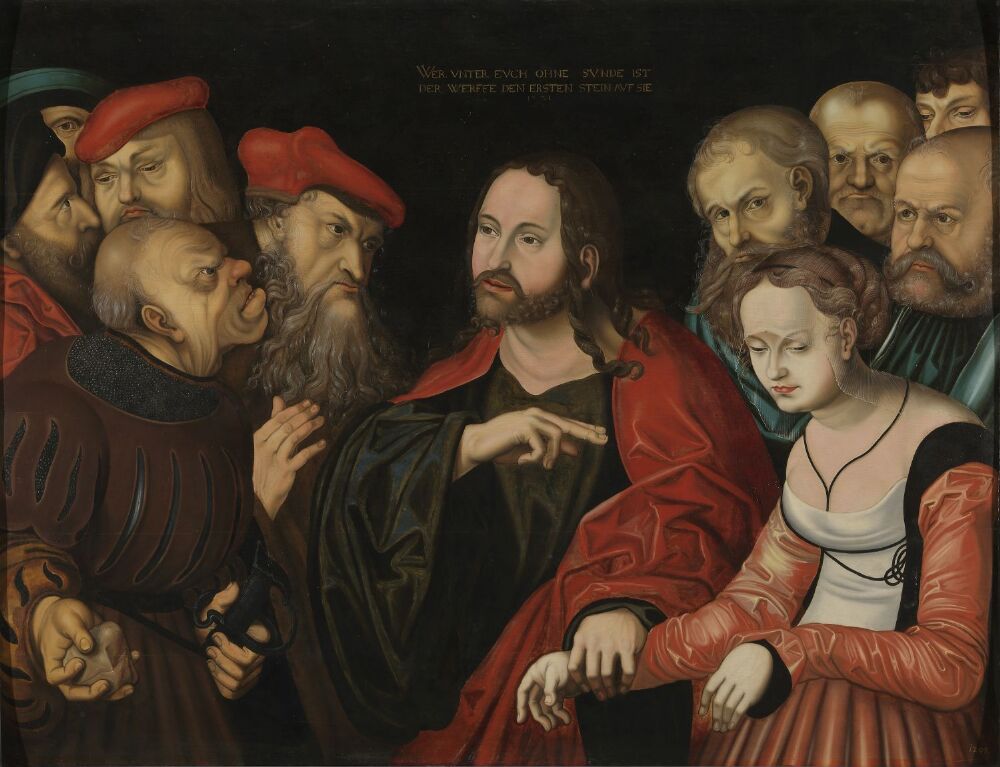
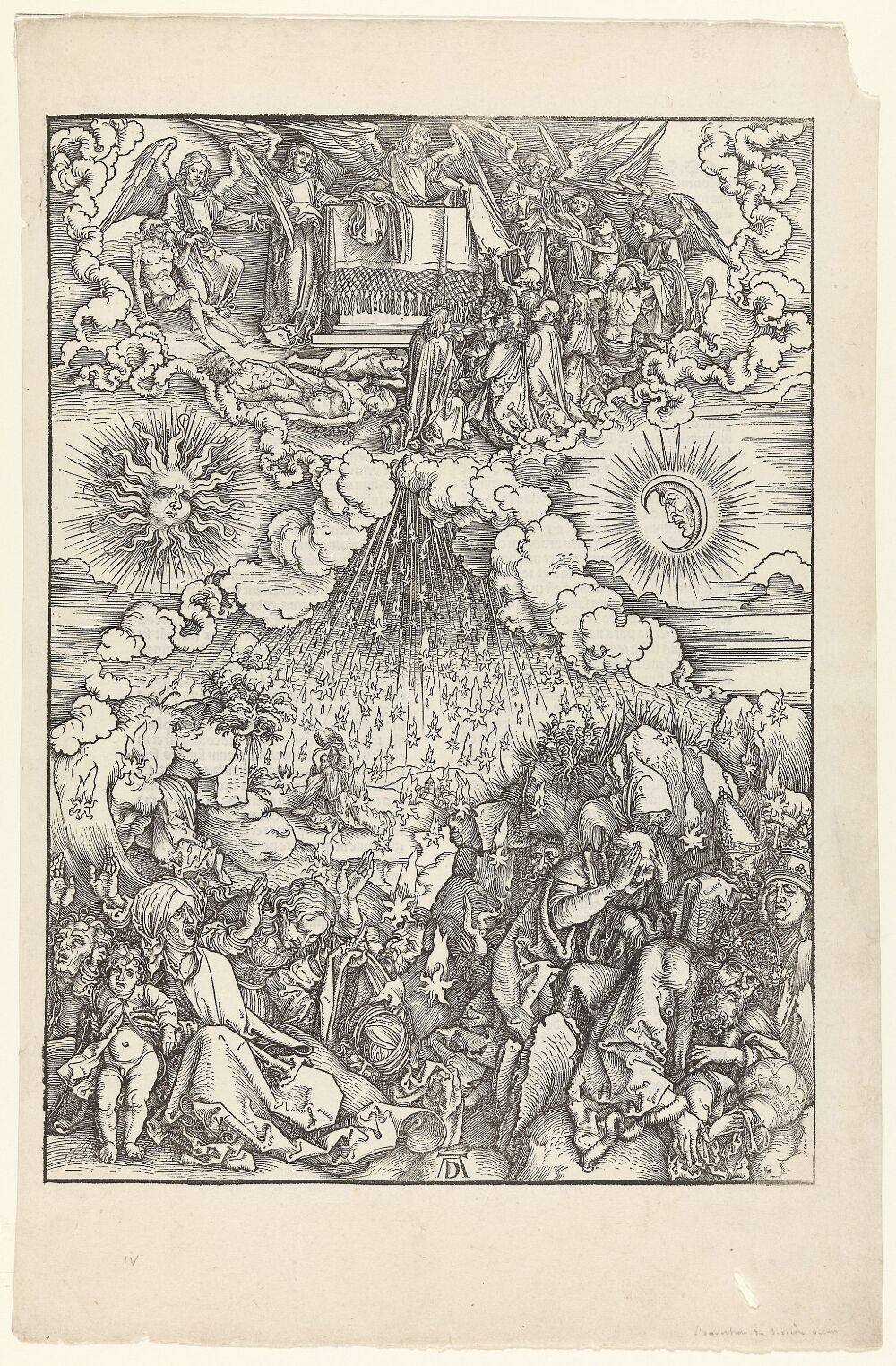
Often you see cities or castles in the background, and that's funny, because it's certainly not biblical. It's interesting how the church looked at transplanting biblical stories into modern surroundings, like the Caravaggio in the pub.
There is a picture in the Renaissance room which almost feels a bit baroque, but the faces are also strongly twisted. Wonder what that's all about. And the Albrecht Dürer prints feel baroque to me. Maybe it's just because there's so much detail and action, or maybe the medium makes it feel very different from the Renaissance paintings.
Room 38
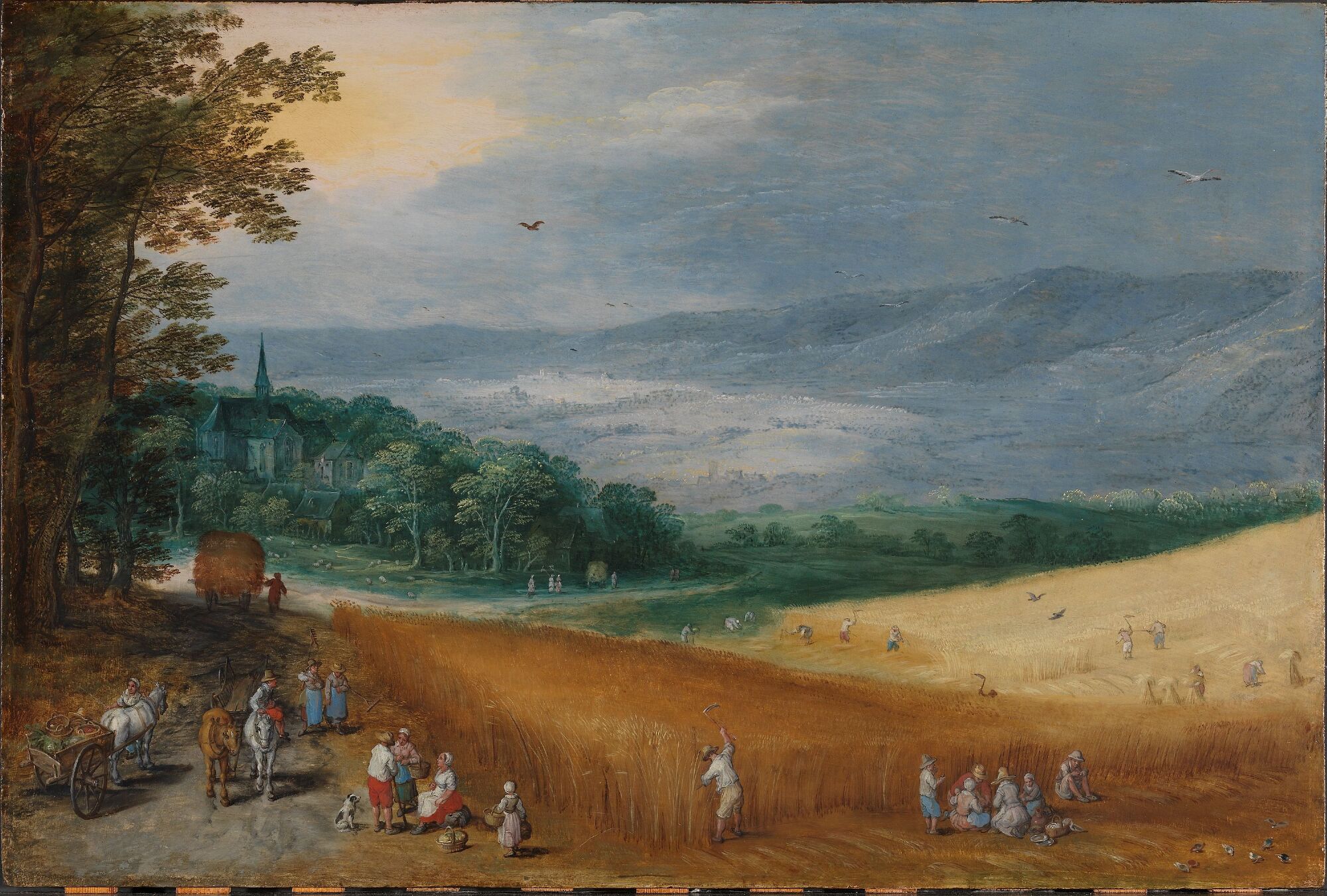
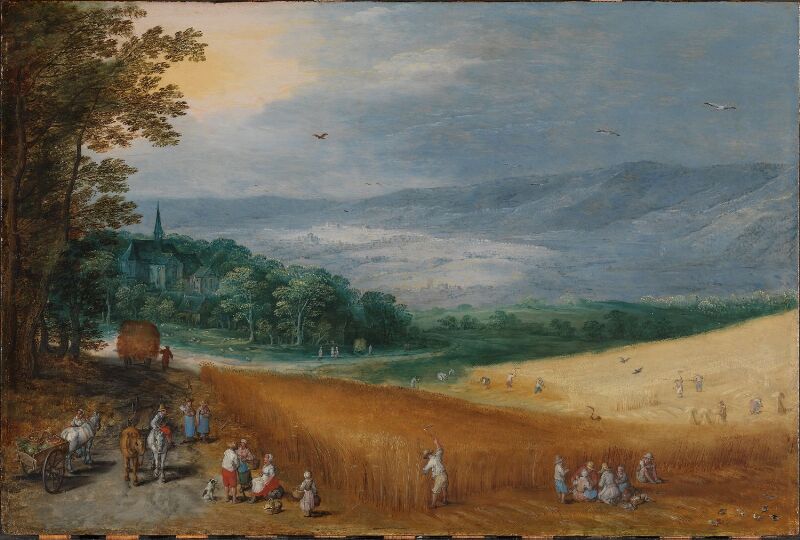
There was a picture I quite liked, just these farmers in a field, but it was nice how there were kind of three zones: close to the camera, a second zone, and a third far away where you could just barely see the outlines of things. It felt very harmonious to let your eye glide between the small details up close and the wide vistas. The guide later talked about the background in another painting being similar to Leonardo da Vinci's, green and blue and so on. This way of making the background is something I'd like to learn more about.
I wonder whether we appreciate beautiful landscapes because we've seen them through the eyes of artists first, or whether artists capture them because they are beautiful.
I think I heard some visual anthropologist talk about how indigenous people don't necessarily appreciate landscapes at all, that landscape appreciation is something we've been taught partially through images. I wonder how true that is. When do children begin to perceive landscapes as beautiful? And all these small people doing different things: does it imply a certain view of the world as full of individuals, all tending to their own matter, or of all these opportunities for strangers meeting strangers, resulting in felicity or violence? Room 38 had a lot of bourgeois, Dutch. From the podcast I got the sense that when they had to stop painting religious images for the churches, they began painting more for rich people. Men holding gloves is apparently a common topic, and it's fun to see the fashion and the interiors. But if you compare here, you have to say that obviously the Catholics had the better art.
Room 37
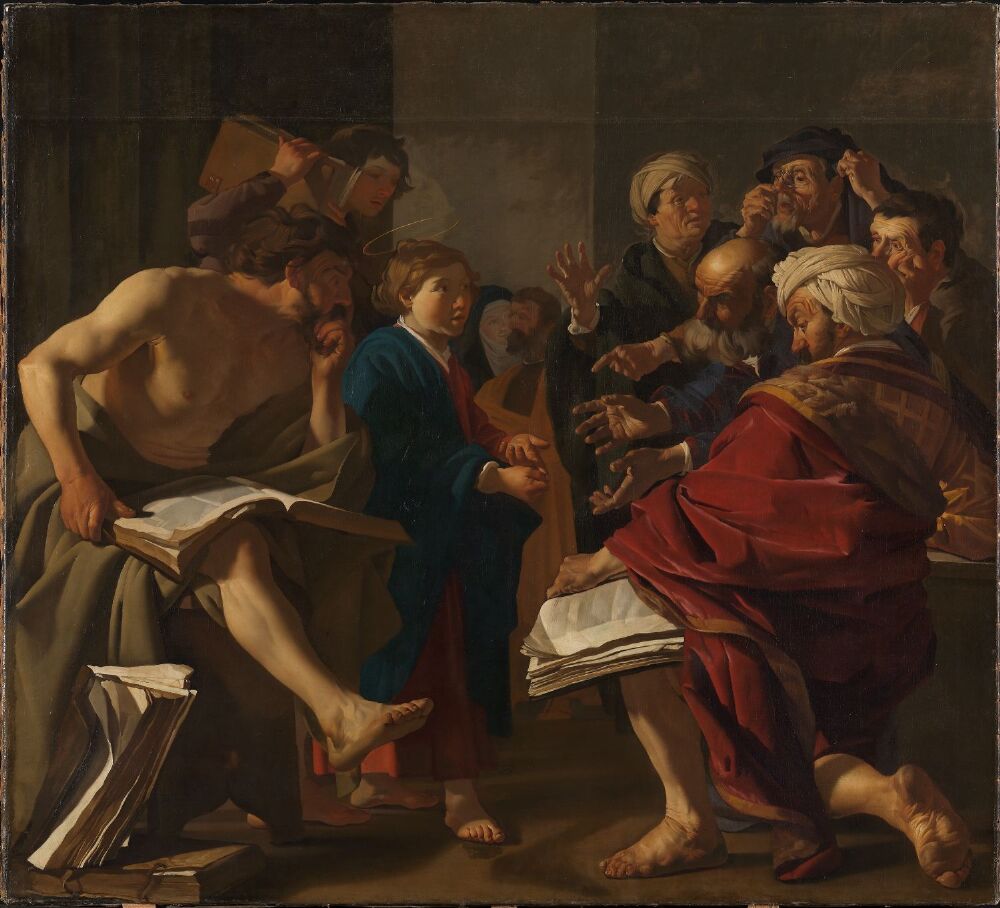
Baburen has all this energy, a very filmatic scene, but I wish the colors were brighter and there were more details.
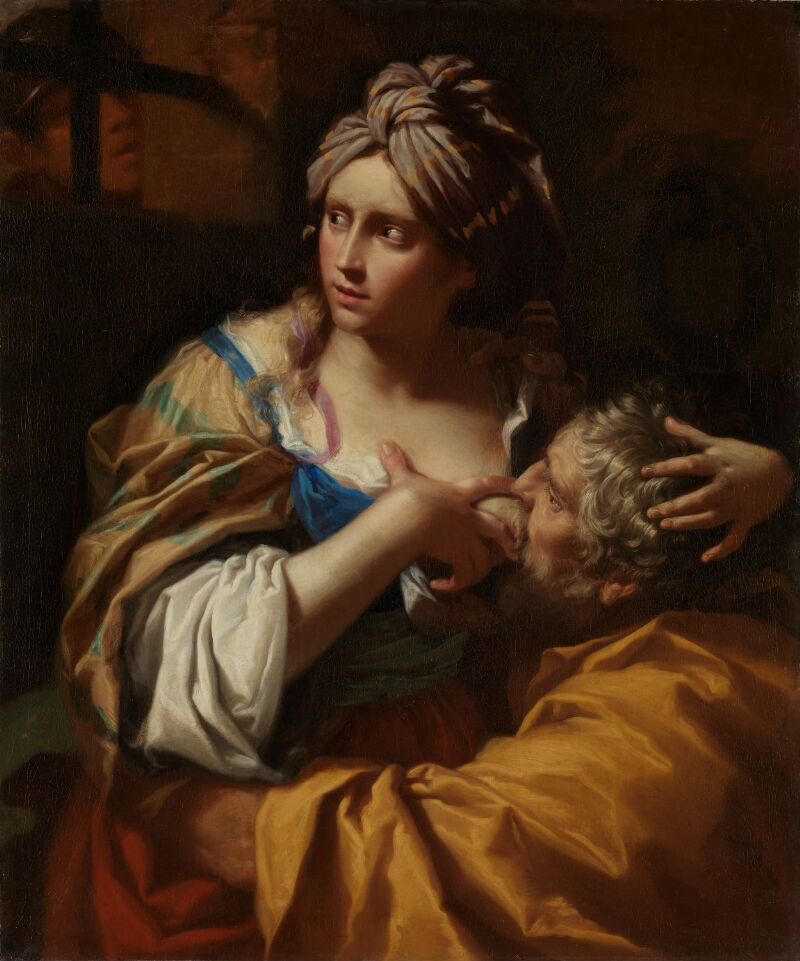
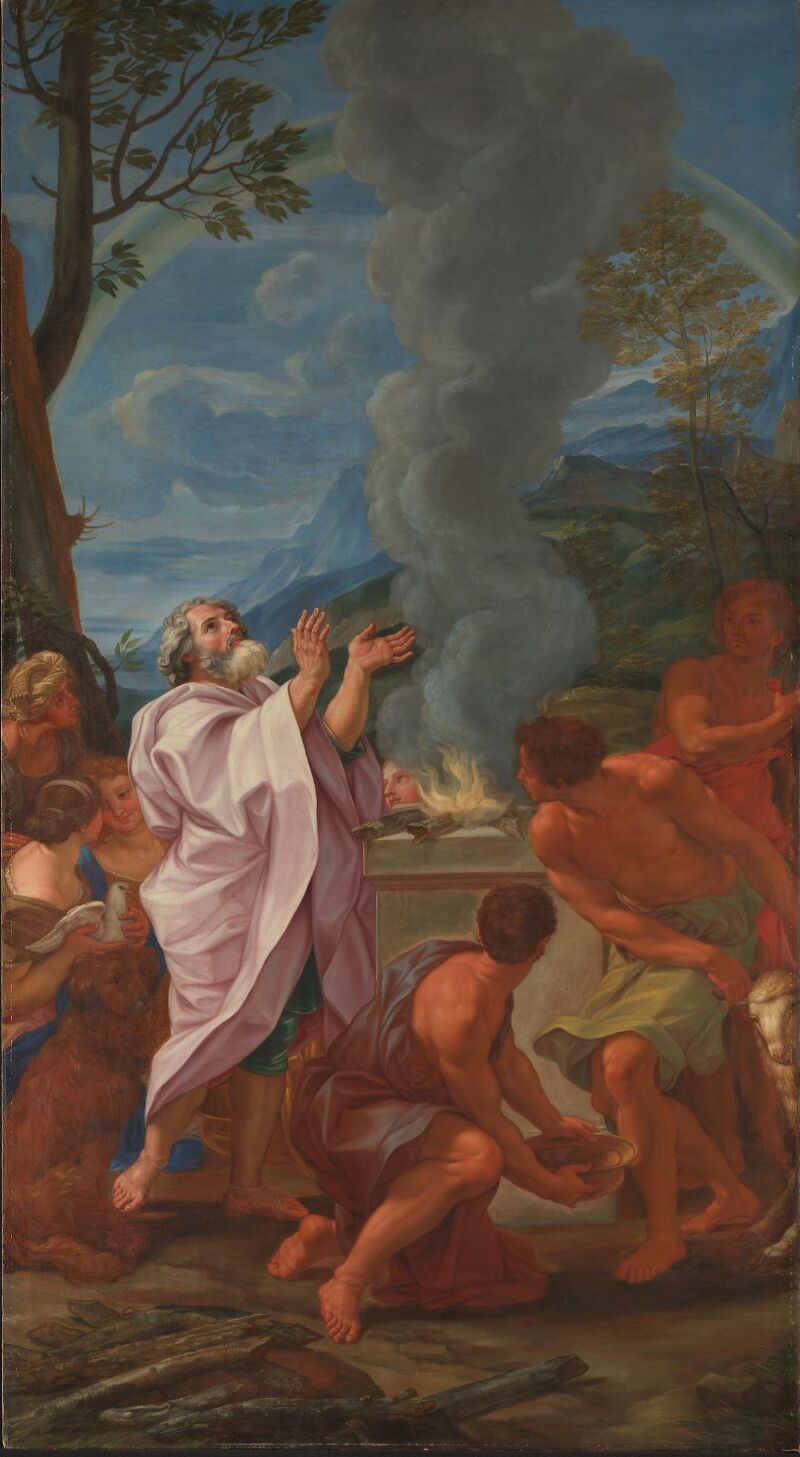
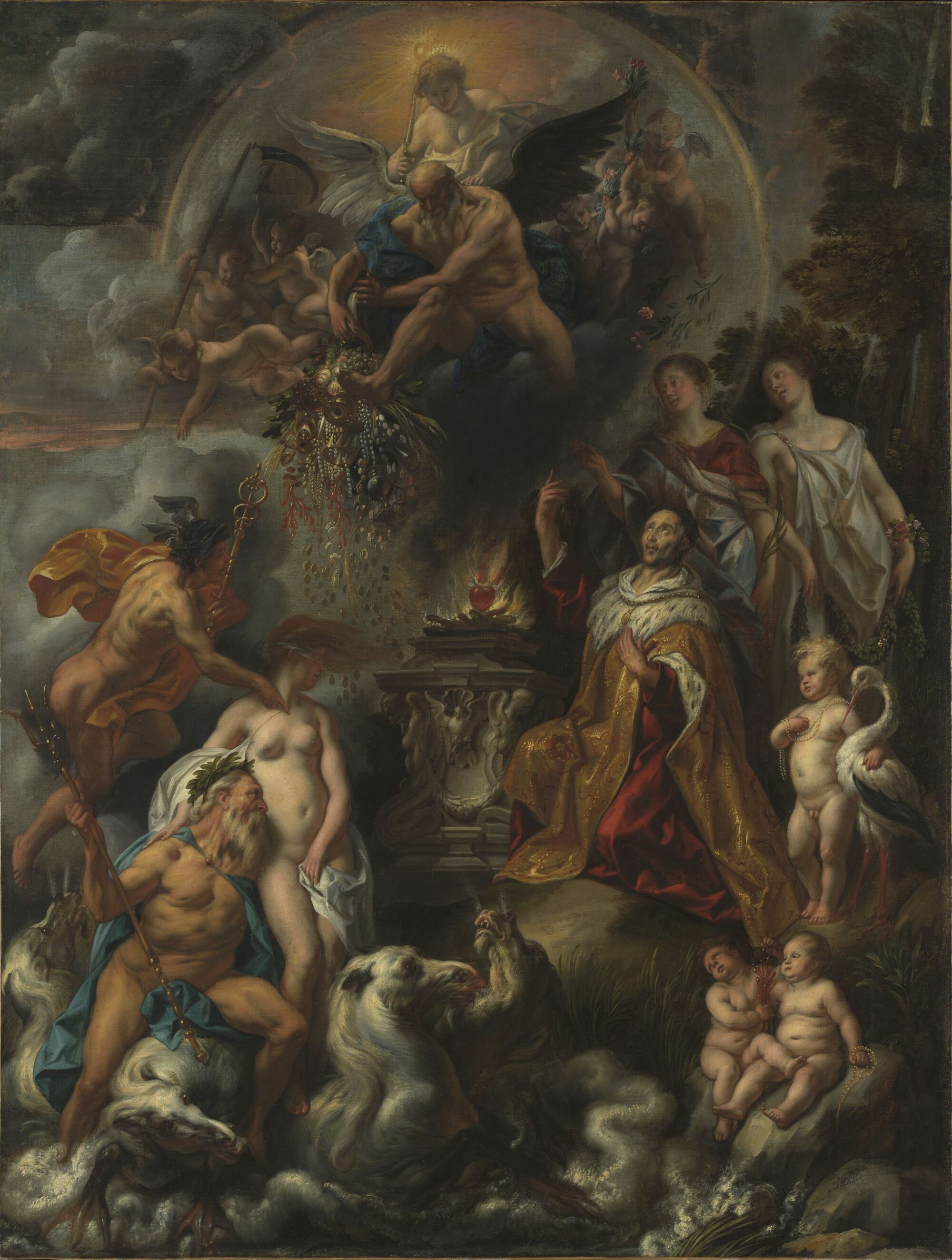
I love a lot of the stuff in room 37. I love the Sacrifice of Noah. To me it feels almost like between the Renaissance and the Baroque. And Saint Lucy. She's so cool. She almost looks like a modern superhero. She's so extremely different from most of the women we see painted, who are kind of languid or saintly. She is extremely determined. You cannot fuck with her at all. Caritas Romana is extremely beautiful, and very contradictory. They don't seem like they're starving, to be completely honest. It reminds me of Ugolino from Dante. But it's such a serene scene. I wonder how people reacted to this at that time. And then the Jordaens, which is really fascinating.
The tour of Maler(inne)
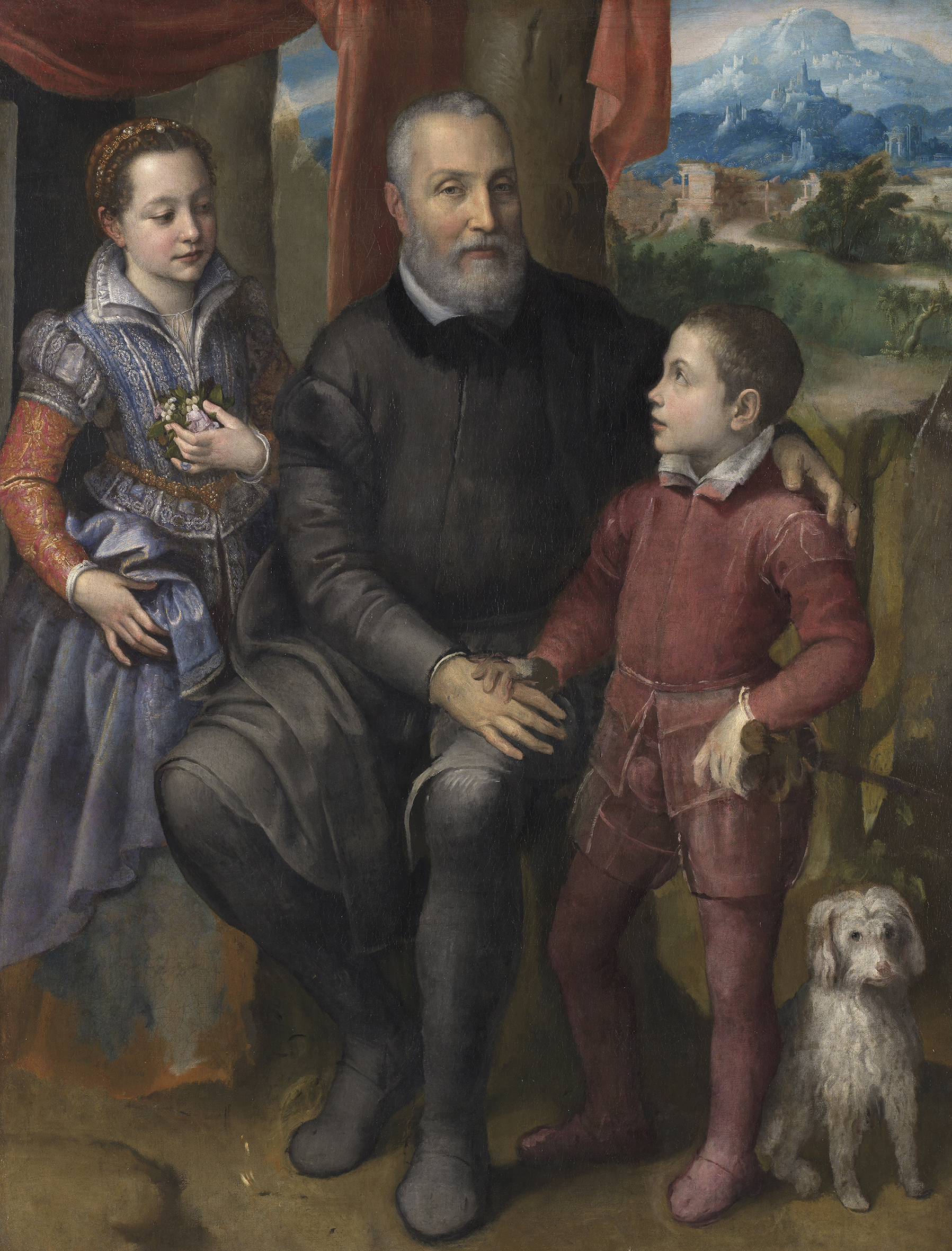
On the tour of Maler(inne) there were 40 women and 2 men, sad. The guide made a big point of North and South, which I hadn't thought about so directly before today. She confirmed what I had heard about the Netherlands and the focus on interiors and portraits, and said they were very good at depicting old people aging. And then the still life, which I haven't really thought much about before. It's almost erotic, these plump, juicy textures, even though she didn't say it. But there's also something very Protestant about it, this fallibility of life: everything will die and rot. And it's something visually striking to have on your wall that's not controversial.
She talked about how many women might have helped in the workshops more than we know, and about the primary colors in Artemisia's pictures, the yellow and the blue and the red. So I guess I should learn some color theory. In the picture with the father, the daughter and the dog, she told me that a dog is a Renaissance symbol of faithfulness. She said that bourgeois city culture kind of started in Holland. I would like to learn more about that, and why that was different in Paris, or Munich, or Rome. She also talked about Winckelmann, and about how later periods are sometimes more conservative than earlier periods, so maybe in the 17th century they were actually more conservative against women than in the 1550s. The history of writing art history, and literary history, I find really interesting. I have some really old literary histories.
I had to leave a bit early because I was going to the opera. Even though it was a short and a bit rushed visit, I really, really enjoyed it. I want to learn a bit more systematically about the Renaissance, the early, the late, the Dutch masters. And if there are good documentaries, or even feature films, I would be interested in that. I don't know when I'll be able to go next, but I hope to still make it to Maler(inne) before it closes.
Ahead
Next time
NowThe lineFrom Florence to the DutchShort videos, at your own pace. Leonardo's blue backgrounds come here too.Before 7 FebruaryWho got to paintMaler(inne), second roundCourts and convents in the south, workshops and guilds in the north, tested against the walls.DecemberLandscapeFriedrich and Dahl, room 043Do we see landscapes as beautiful because the painters taught us to?It all started with Kirsten Flagstad → Adult beginners → Where is the knowledge strategy for adults? →