Practical · 7 April 2026
How to get started
And of course we also have better conditions for self-study today than ever before.
A few years ago my wife and I were in Crete. We went into a fortress, mostly to get away from the burning hot sun, and I read a bit of a poster on the wall. It talked about the Arabs who conquered the island in the 800s, the Venetian fortifications, the Ottoman Empire. And I thought: wait — I've read about all of this. Several books. Learned something in school, I recognize the words. But I couldn't place any of it in time, or explain how things connect. It was all equally vague.
I felt so incredibly dumb — how could I, as a theoretically very highly educated Norwegian and European, stand here and have no clue about something so basic...
Ever since, this has bugged me. I read all the time — books, listening to podcasts while I walk along Mjøsa, watching documentaries with my wife, reading history books to my son. But a week later? Gone. It's like pouring water into a sieve.
The method I ended up with
Felt that older history isn't that relevant, but also that it's just mush in my head (the Viking age, Constantinople, crusades, the Black Death, colonialism — all words I know a bit about, but nothing hangs together in any system), and that it's hopeless to know where you should start. But then came the interest in Greek, and antiquity, and that's really not a dumb place to start.
From a letter to an old friend at Klassekampen, December 2025
From New Year's my resolution was that I would try to finally get a bit of control over history — I still felt like I didn't have any "timeline" in my head that made sense... The last six months I've read a ton, both historical novels, original documents in Latin and Greek, Wikipedia pages — all kinds of stuff, and now I feel like I have a kind of overview of what happened between 0 and the year 1000, at least enough that it makes sense to read history books and learn new details, because you have an overview of where it fits in...
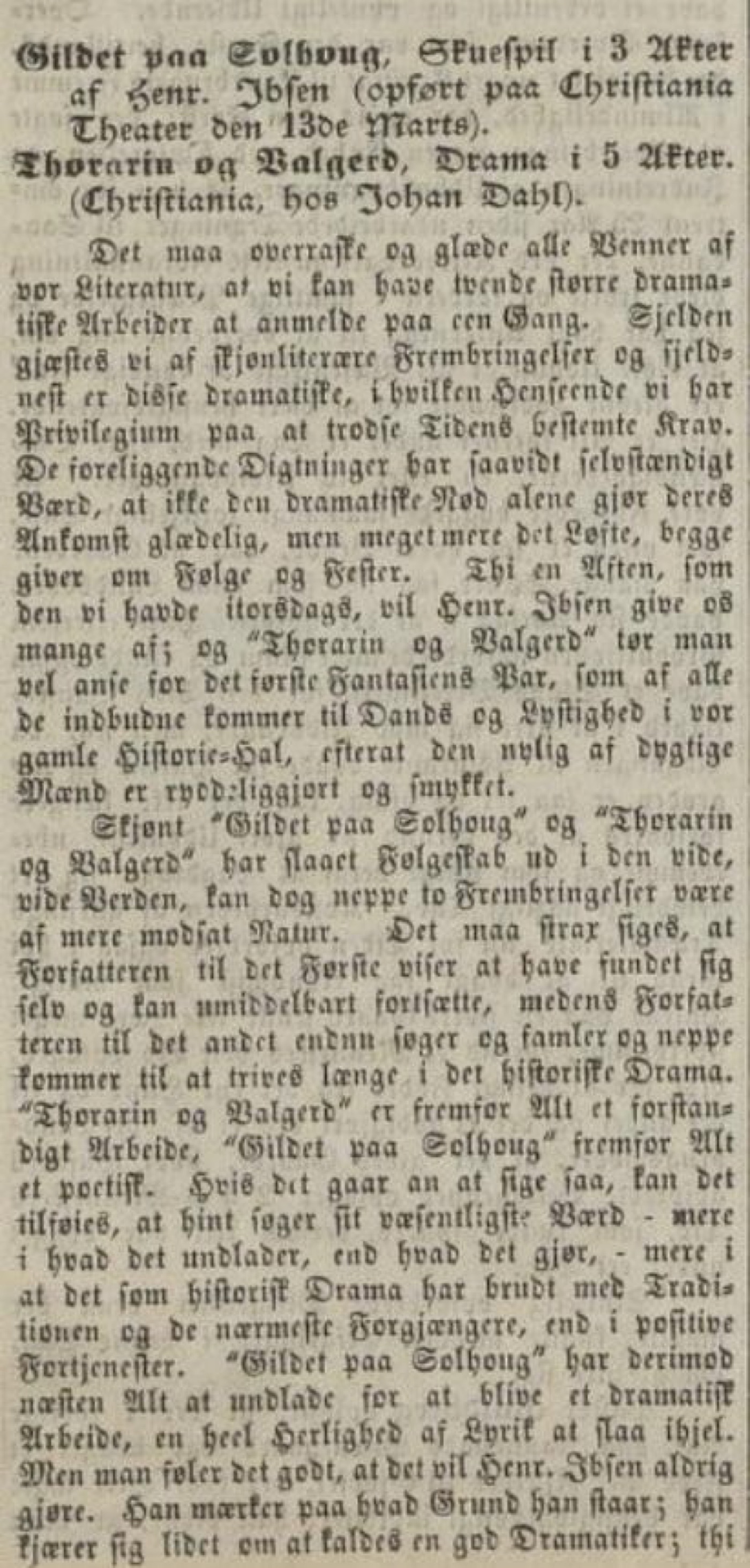
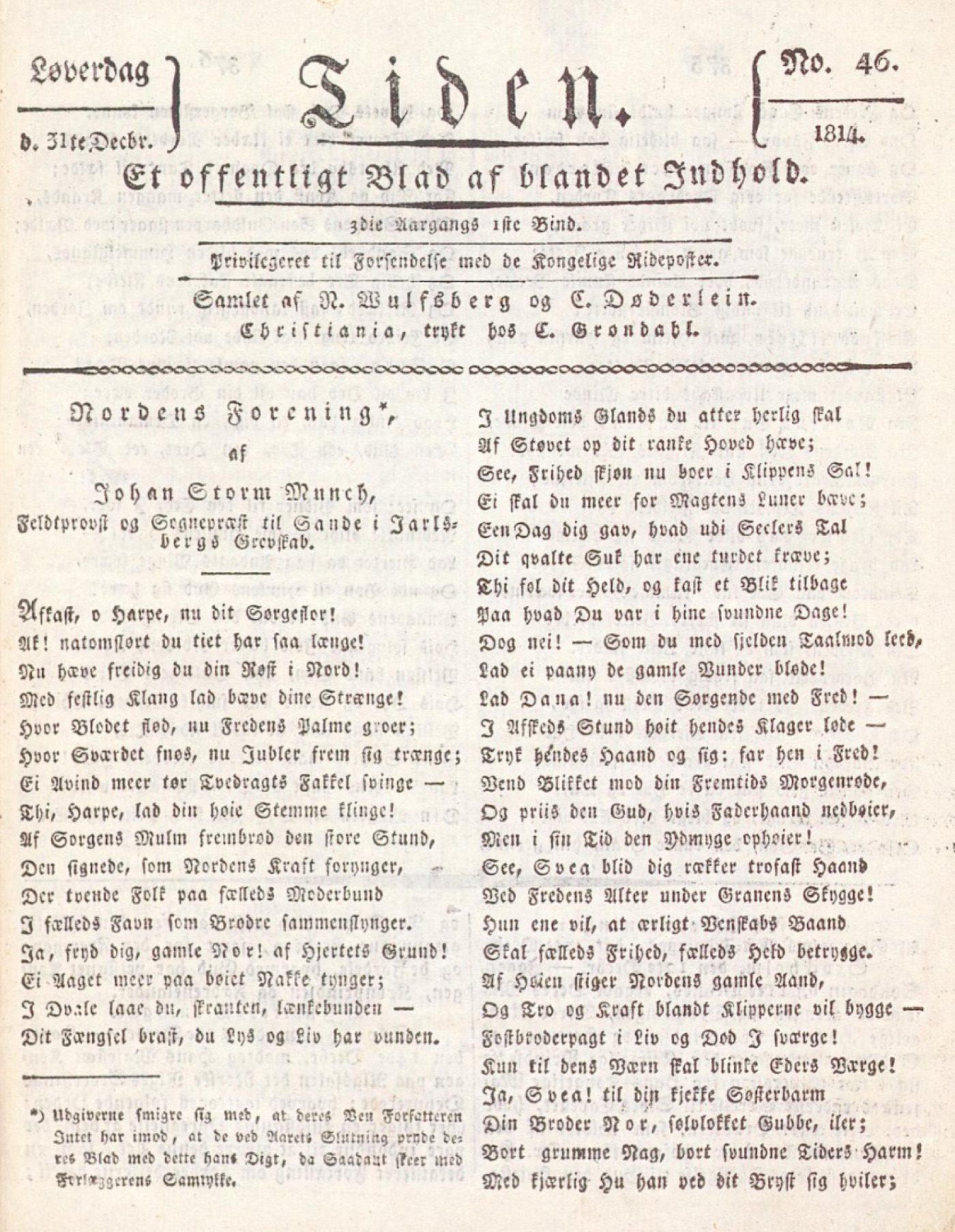
I pick a few key episodes in history, like Alexander the Great or 1814, and then I get into that moment as richly as I can with movies, podcasts, historical novels, maps and art from that period.
I love diving deep down into "rabbit holes"... For example I can read three historical novels about Charlemagne in German, or I can immerse myself in French tragedies from the 1700s, and not just read about them, but also read them (and watch them).
Video · TikTok @panepistimiou · April 2024
Finding an anchor, a geographical area and time period, and expanding from there.
Watch the video on TikTok → The method in this text, told out loud, about Charlemagne.
And the more facts I remember now, the more hooks I have the next time I read about something similar, the more I learn and the more fun it is.
So now I've started systematically reading up, and of course the more you know, the more fun it is to learn more... (And of course we also have better conditions for self-study today than ever before, whether it's Youtube videos or podcasts, or the fact that we have free interlibrary loans at the library from all over Norway, incl. university libraries etc).
From Rabbit Holes · The Great Northern War · 6 June 2025
Learning history absolutely works according to the Matthew principle — the more you know, the more exciting and interesting it is to learn new things (and the easier you remember them). In the first Rabbit Holes post I wrote about a Norwegian historical novel, which led me to the exciting life of Jens Munk, a polar sea explorer who tried to find both the Northeast Passage and the Northwest Passage. He also spent a lot of time in the area around Arkhangelsk whaling, and that was what got me to start looking at the world map, and realize that for most of history Russia had actually been "landlocked", that is without access to the sea.
Practical places and resources: Where to go
From Rabbit Holes