Rabbit Holes · 22 May 2025
Good ideas for urban development from Switzerland
How do we get tourists to take the train? Toy libraries, pedibus and farm tourism
This is a slightly different kind of post, but I've had a draft of this lying around since we were in Switzerland a year ago, and I thought I could publish it here. Urban development is culture too, and good city life contributes to a rich life. If this gets too modern for you, you can read about Tristan and Isolde, the hunt for the Northwest Passage, or rhymes and rules from André Bjerke to Wessel.
Switzerland isn't just billionaires and the UN, it's also a country with a fantastic public transit system and many good solutions for city planning, and tourism, that others can be inspired by. Here's a quick list of things that can inspire. My background is that I lived in Switzerland (Lausanne) for four years, and was recently back visiting with the family.
Transportation
Public transit in Switzerland is among the best in the world, and a dream to use. Of course the country is much more compact than Norway – even though it has historically been divided by high mountains, you can now get between the biggest cities in just a few hours.
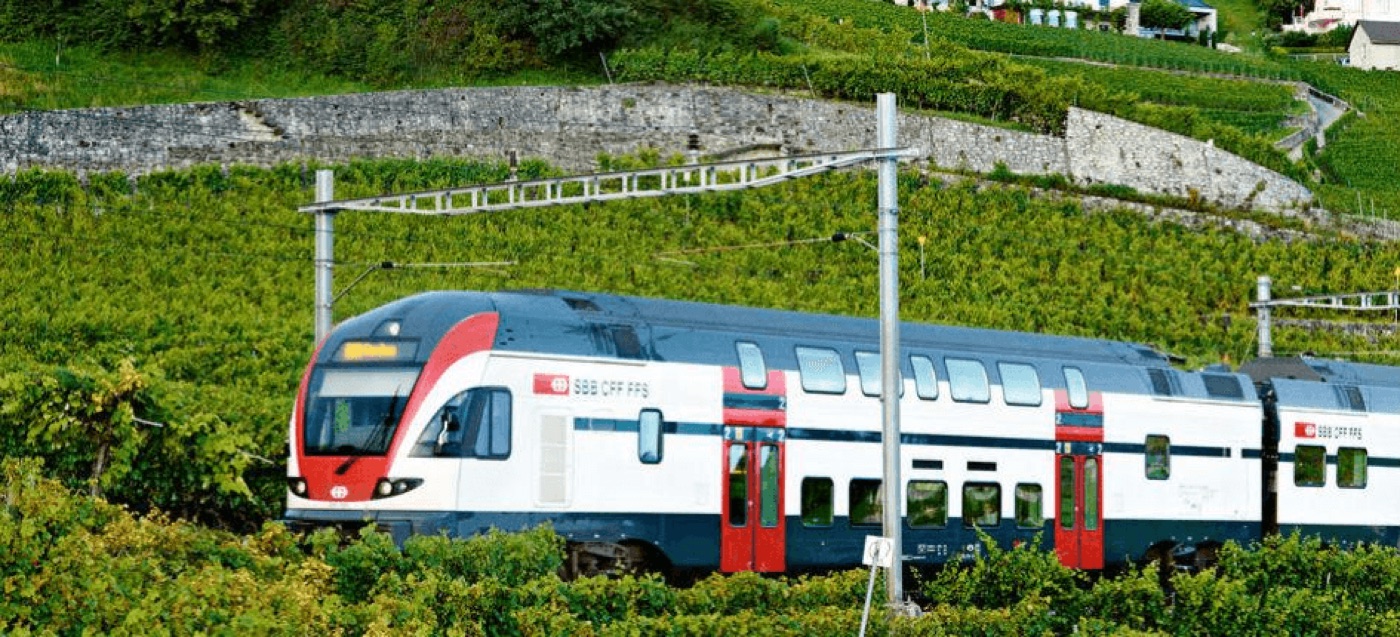
The transit network is very fine-meshed, and even though there are many companies offering services – one big national train company, some regional and international train companies, and many local bus and boat companies, as well as tourist railways – everything is integrated when it comes to tickets and timetables. Instead of going for high-speed trains (there are only connections abroad, from cities at the border) they go for frequent and coordinated service. It's fascinating to see the train stop at a teeny tiny station – right before the train stops, three or four yellow post buses arrive, people get off, the train comes, people from the train get on the buses, and the buses drive off. Perfectly coordinated (incl. if the train is delayed). It reminds me a bit of Nesodden, where five or six different buses all arrive right before the ferry comes.
Regular ticket prices are higher than in Norway, but almost everyone in Switzerland has either a half-price card (2400 kr a year) which makes the per-kilometer prices on trains lower than in Norway, or a general pass. The general pass, which 5% of the population has, costs 4’400 a month, and gives you almost unlimited access to all means of transportation in all of Switzerland (and some border towns in other countries) – train, boat, tram, bus, mountain railway… (It's also common that people in jobs where they have to travel a lot, salespeople or academics etc, get this paid for by their job).
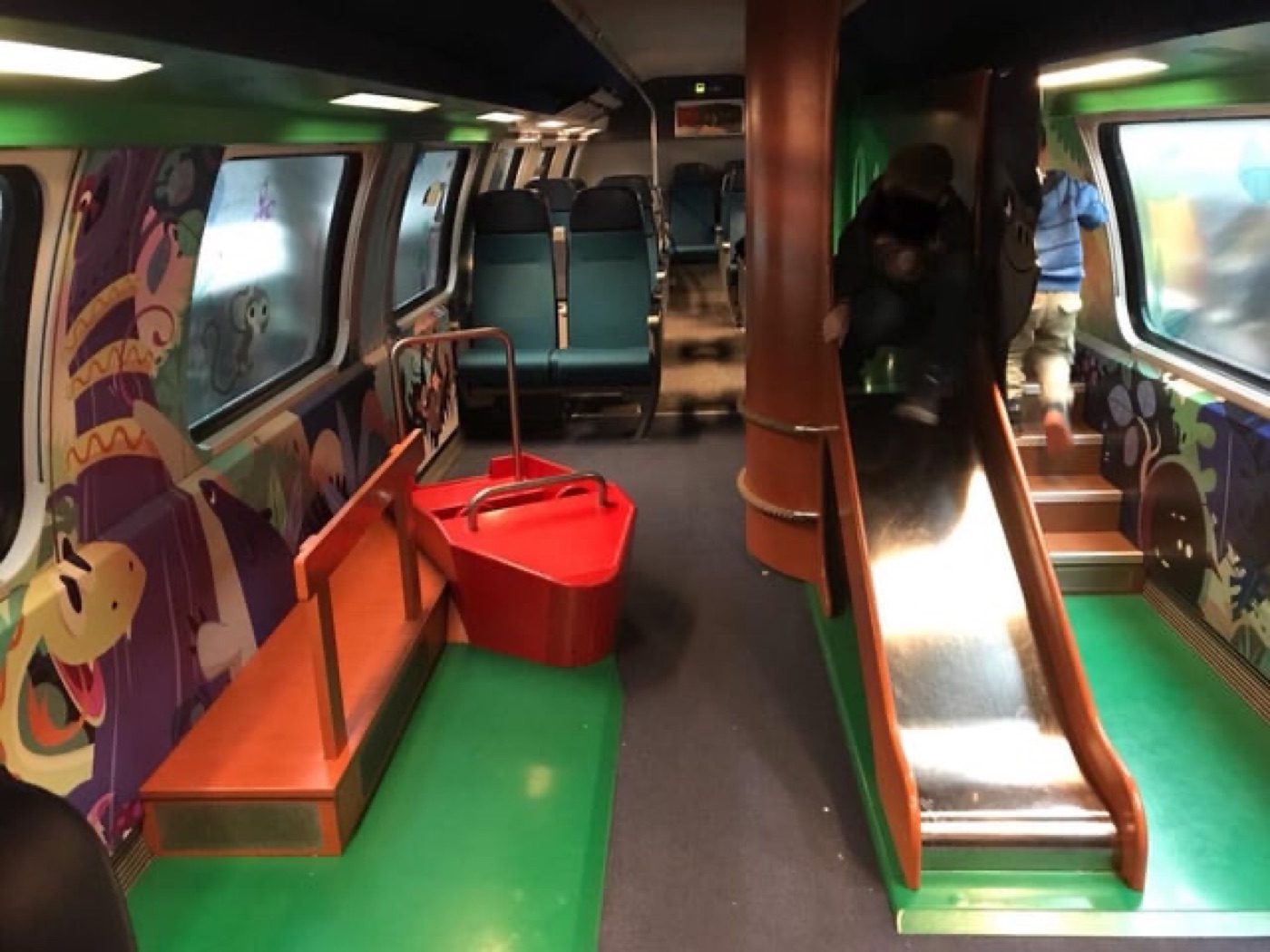
The trains are modern and comfortable, many double-deckers, and on intercity trains they have a playground for kids, which is very popular when you have smaller kids.
When you buy a regular train ticket you have the option of adding a “city supplement” for the city you start in or the city you end up in, this costs about 55 kr, and gives you a day ticket in that city included. (Take the bus to the train, the train to another city, and the tram from the train station to where you're going). It's also common that festivals and big events have special tickets that include transportation there and back by train or bus.
SBB (the Swiss federal railways) thinks very actively about “mobility” as an overarching goal (not just trains), and has done experiments where you can rent an electric car + general pass + free access to city bikes as a total solution. They're also actively looking at self-driving minibuses to the train station, especially in sparsely populated areas.
All cities in Switzerland have a tourist tax – from 24 to 100 kr per night. But in exchange for this tourist tax all tourists get a day pass for local transit in the city they're staying in (they get this handed out by the hotel they're staying at).
There are several packages especially for tourists, for example the Swiss Travel Pass. An example – for 5’500 kr an adult can travel on all public transportation in all of Switzerland, and gets free entry to 500 museums, together with an unlimited number of kids under 16 in the same family. This is very popular, since many of the locals are away or on vacation and not commuting, the long trains were full of tourists (we used this on our vacation, and it was a fantastic feeling to say that “it's raining today, maybe we should take the train to Luzern and go to the transport museum – or maybe we should take the ferry to France” without thinking about how much it costs).
Most cities have a lot of trams, buses, and many urban and suburban train stops. Lausanne has the only metro in Switzerland - it's driverless and new trains come every 2 minutes. Everything is based on zones, so within a certain zone you can switch freely between train, bus, tram, ferry etc.
There isn't a single ski slope that isn't connected to the rail network (as far as I know), and several of the ski villages can't be reached by car at all (like Zermatt). It's common to see people walking down the pedestrian street in Lausanne with downhill skis on their shoulders, because they're taking the train to the ski slope (again they of course have special train tickets bundled with a day pass for the ski lift).
Urban development and families
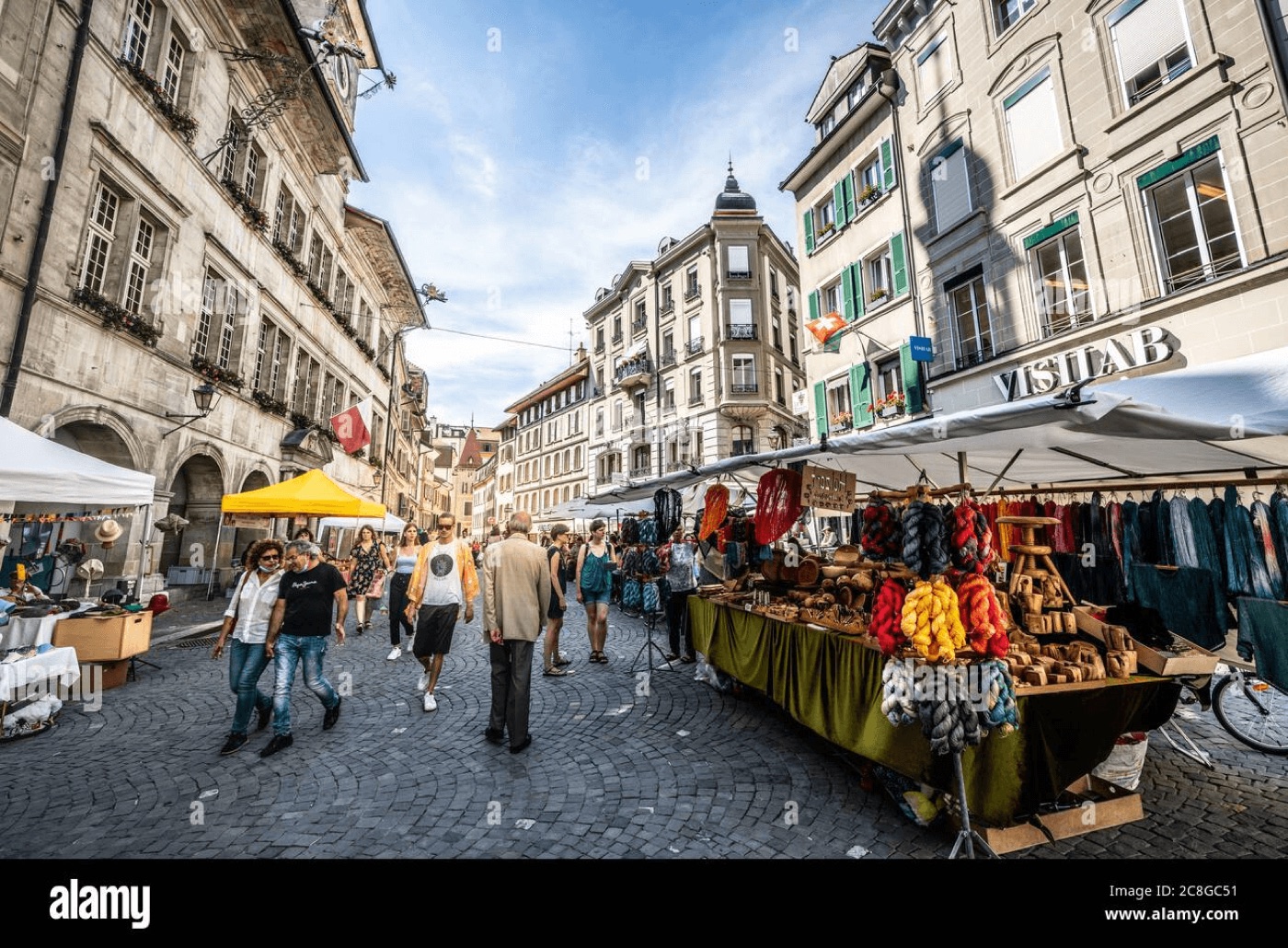
Lausanne has a big pedestrian zone downtown, full of stores and several shopping malls of five or six floors. Under a square there's a big parking garage, and they have a little electric mini car that carries bags from different stores to the parking garage. So you can walk around downtown and shop, including groceries, and get the bags delivered for free to the parking garage when you're ready to leave with the car. The city has managed to almost completely avoid car-based shopping malls and keep a living downtown. Big market days Wednesday and Saturday when the whole historic center fills up with stalls with food, music and people.
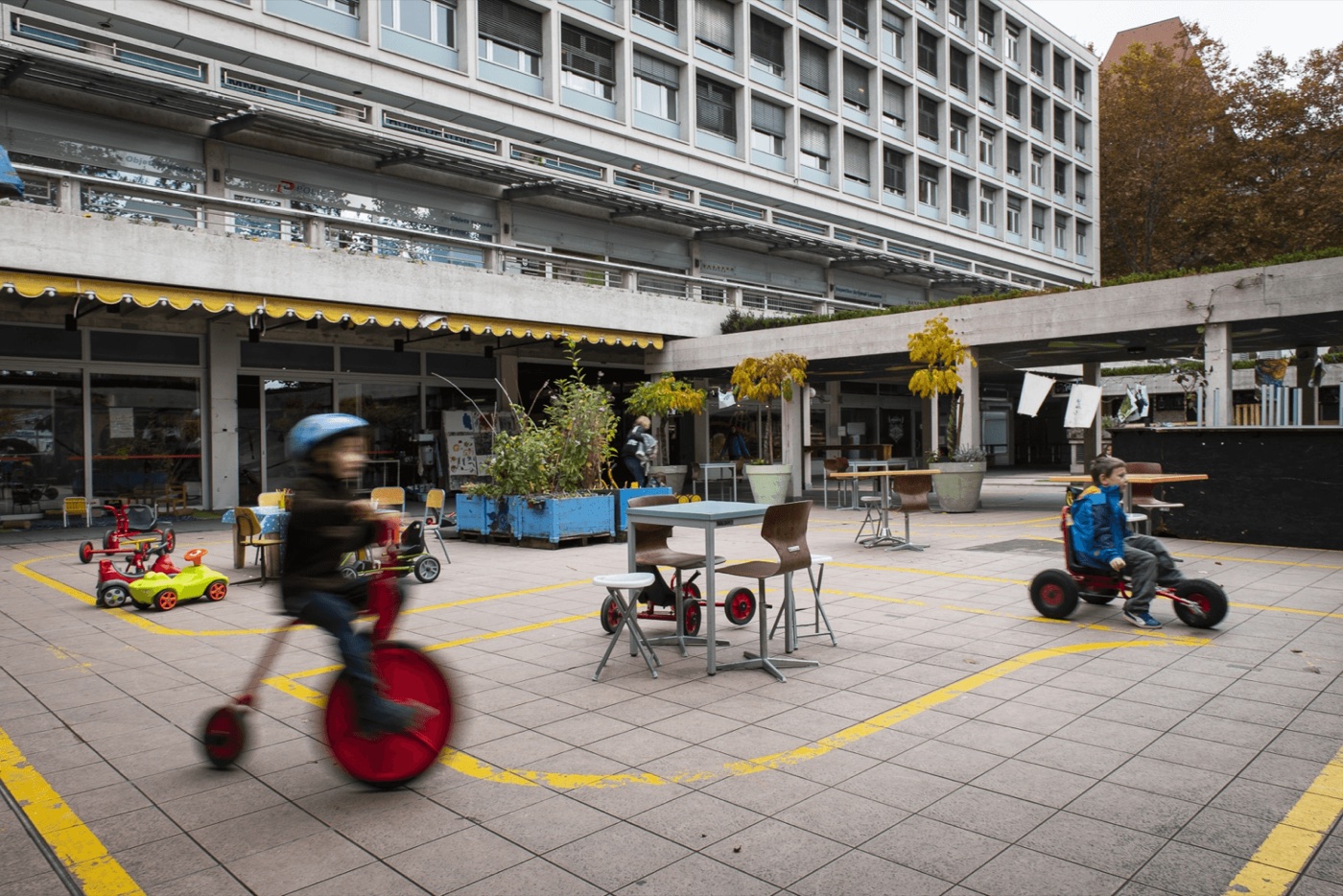
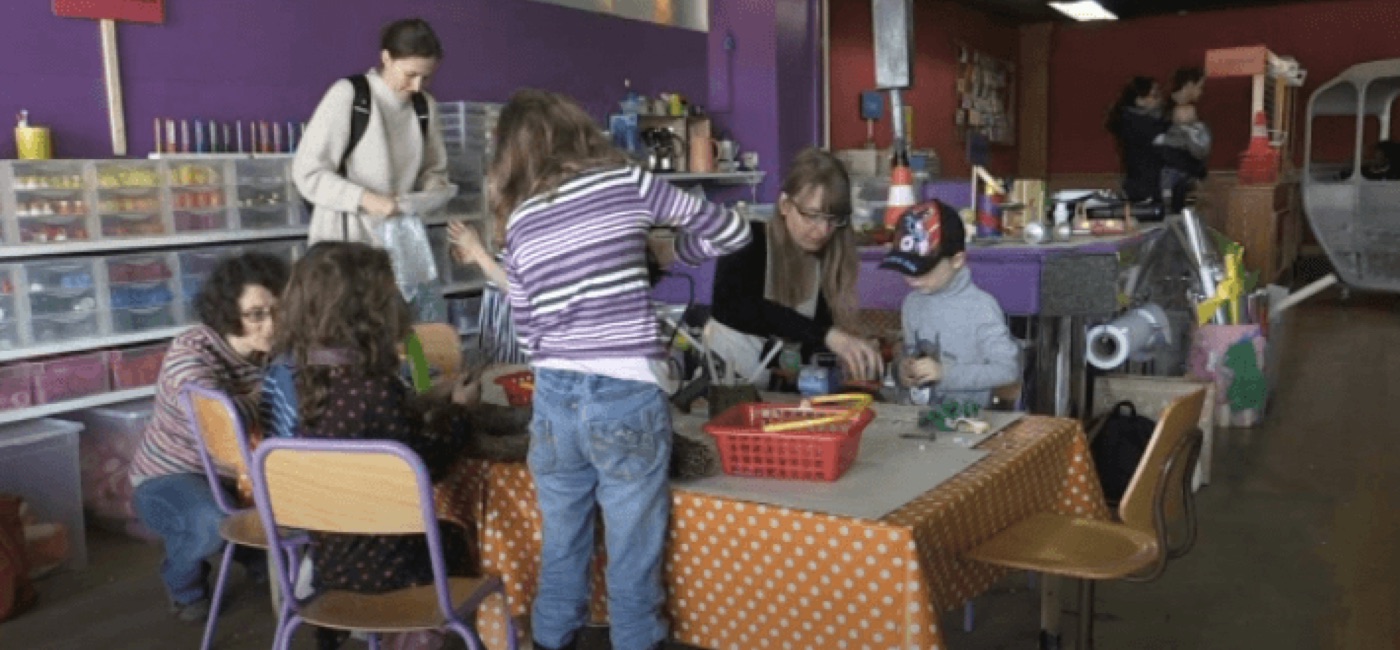
Lausanne has many big playgrounds with cafés right next to them, so parents can have a coffee or a beer and let the kids play. One of the more interesting ones is La Grenette. Right by the big square they have a place that's open on weekends, with lots of fun toy bikes and a big street network drawn on the ground where kids can bike around. They also have tons of sorted “garbage” (plastic caps etc) and the kids can make different creations with glue guns, paint on big “canvases” etc. A fantastic place for the whole family to relax on the weekend, or for the kids to be while the parents do their shopping at the market.
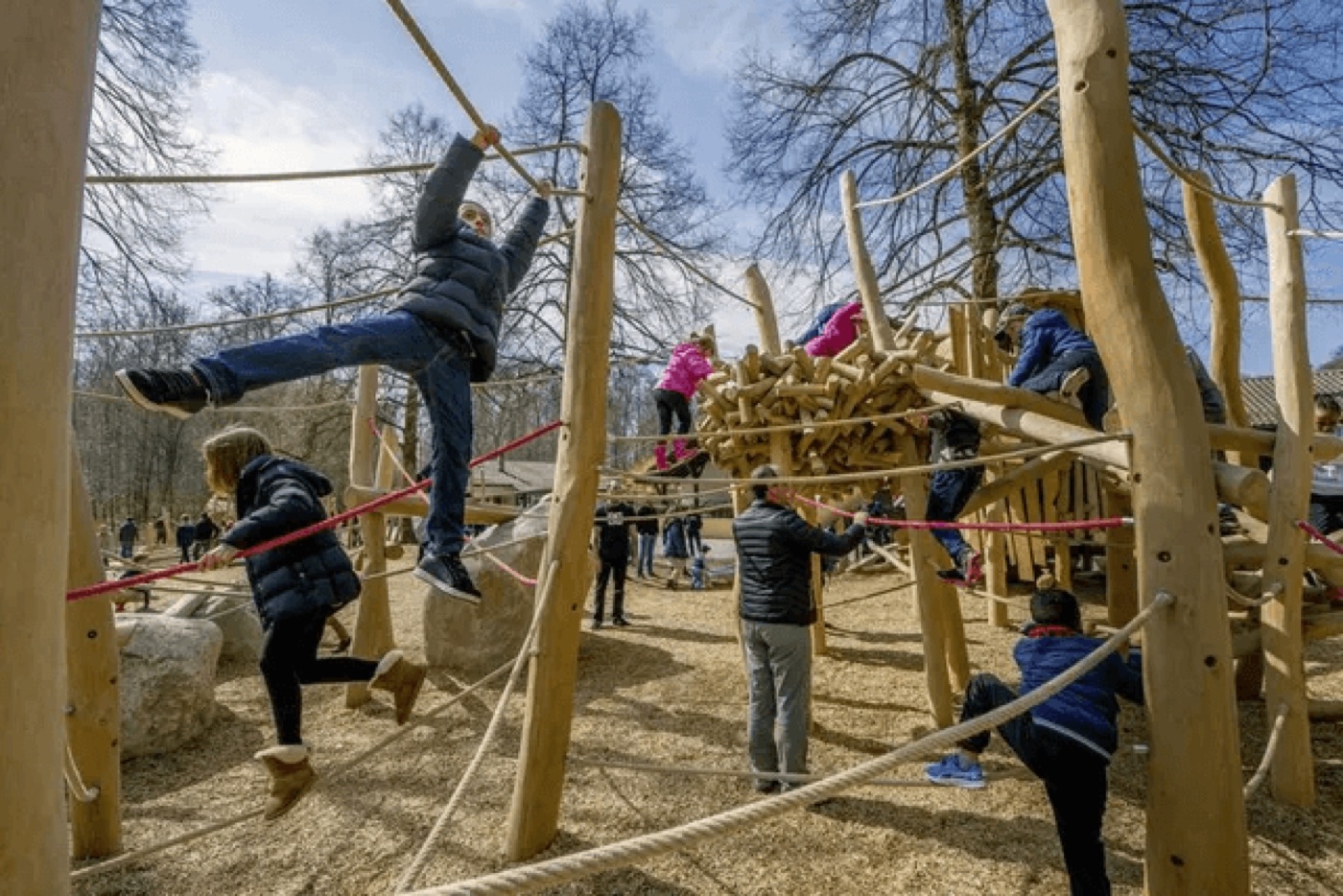
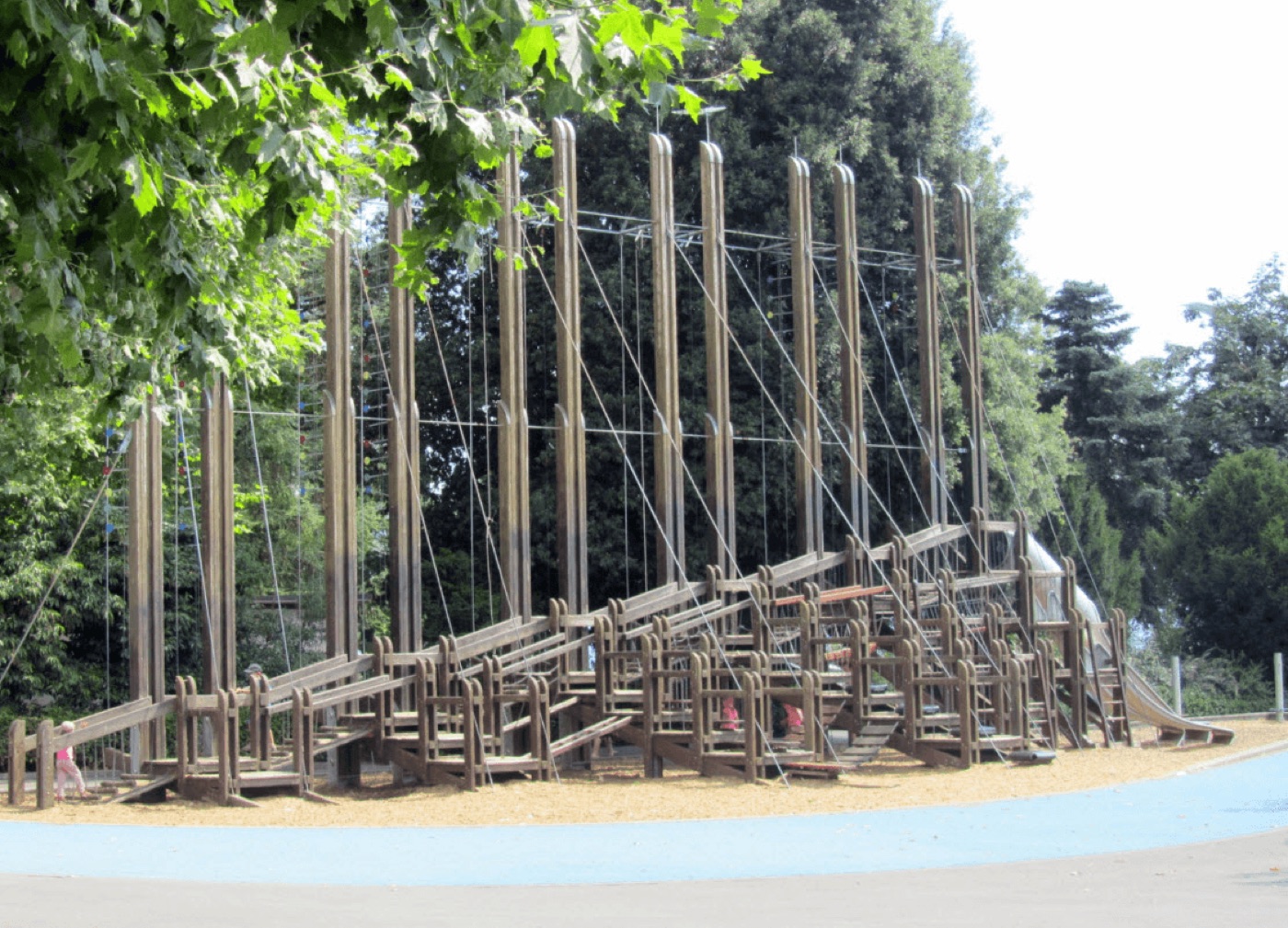
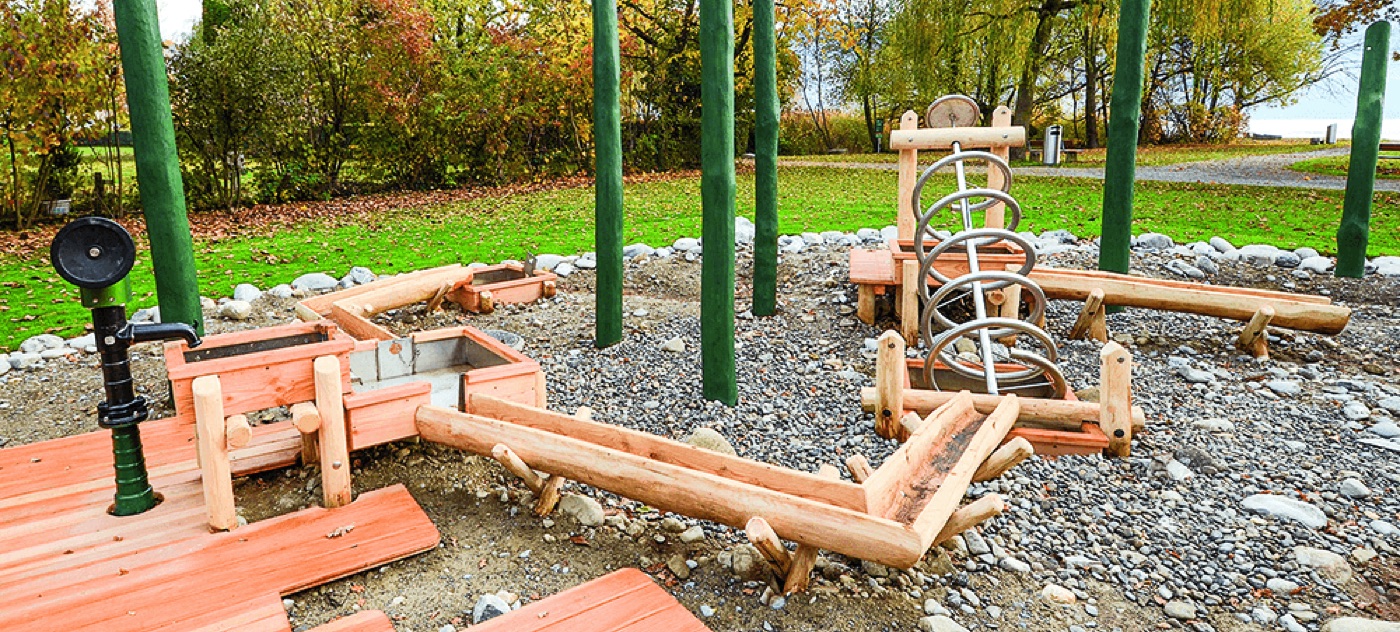
Many of the playgrounds are very nice – and different. A big playground inside the forest, with climbing frames built from wooden beams that “fit in”, a fantastic climbing structure by the lake. One difference I noticed from Canada is that the playgrounds are often a little less accessible for the very smallest kids, but often give more challenge and excitement for slightly bigger kids. Things that are common are big climbing installations, “excavators”, water installations where kids can experiment with pumping/steering water, etc.
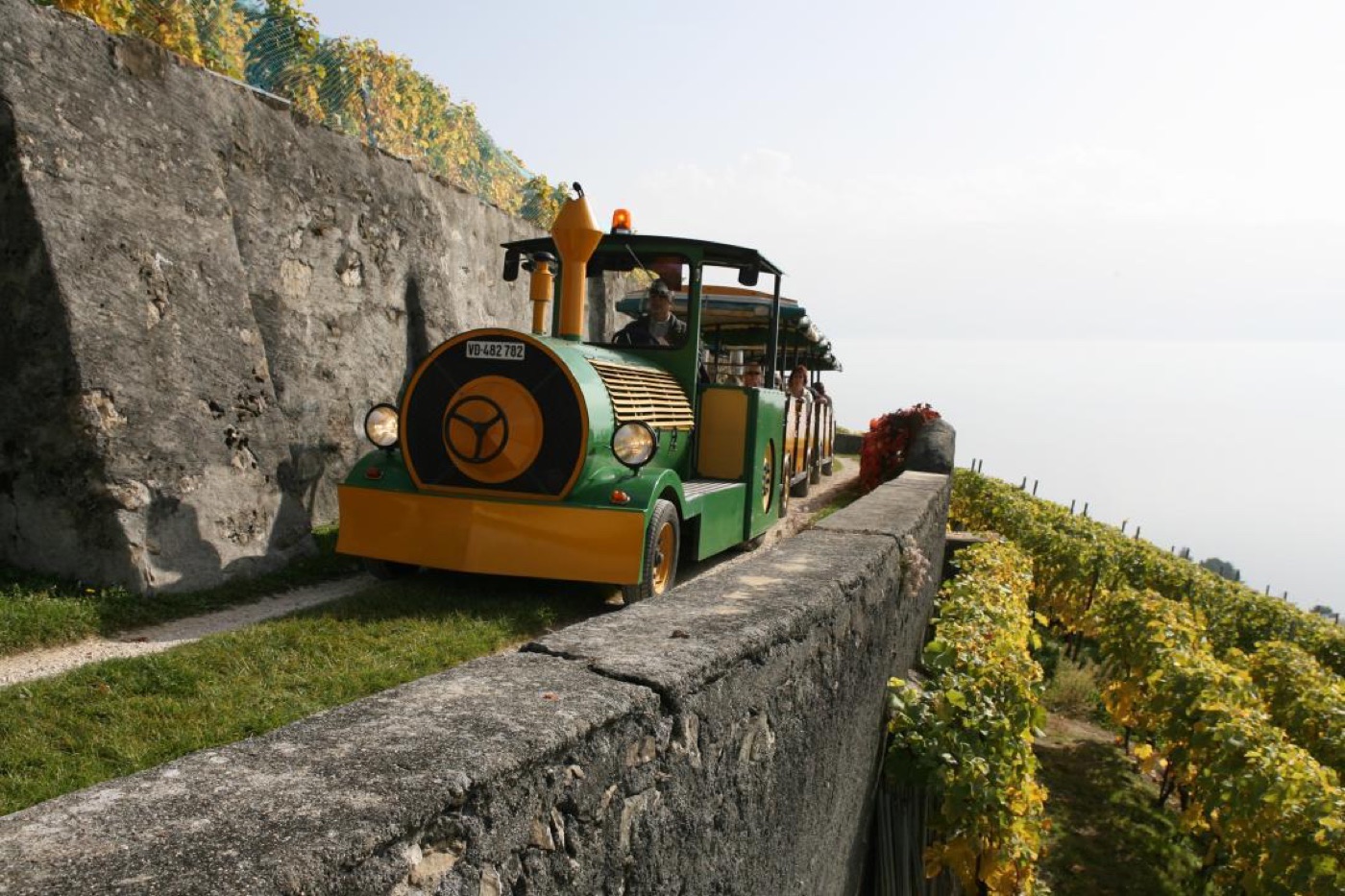
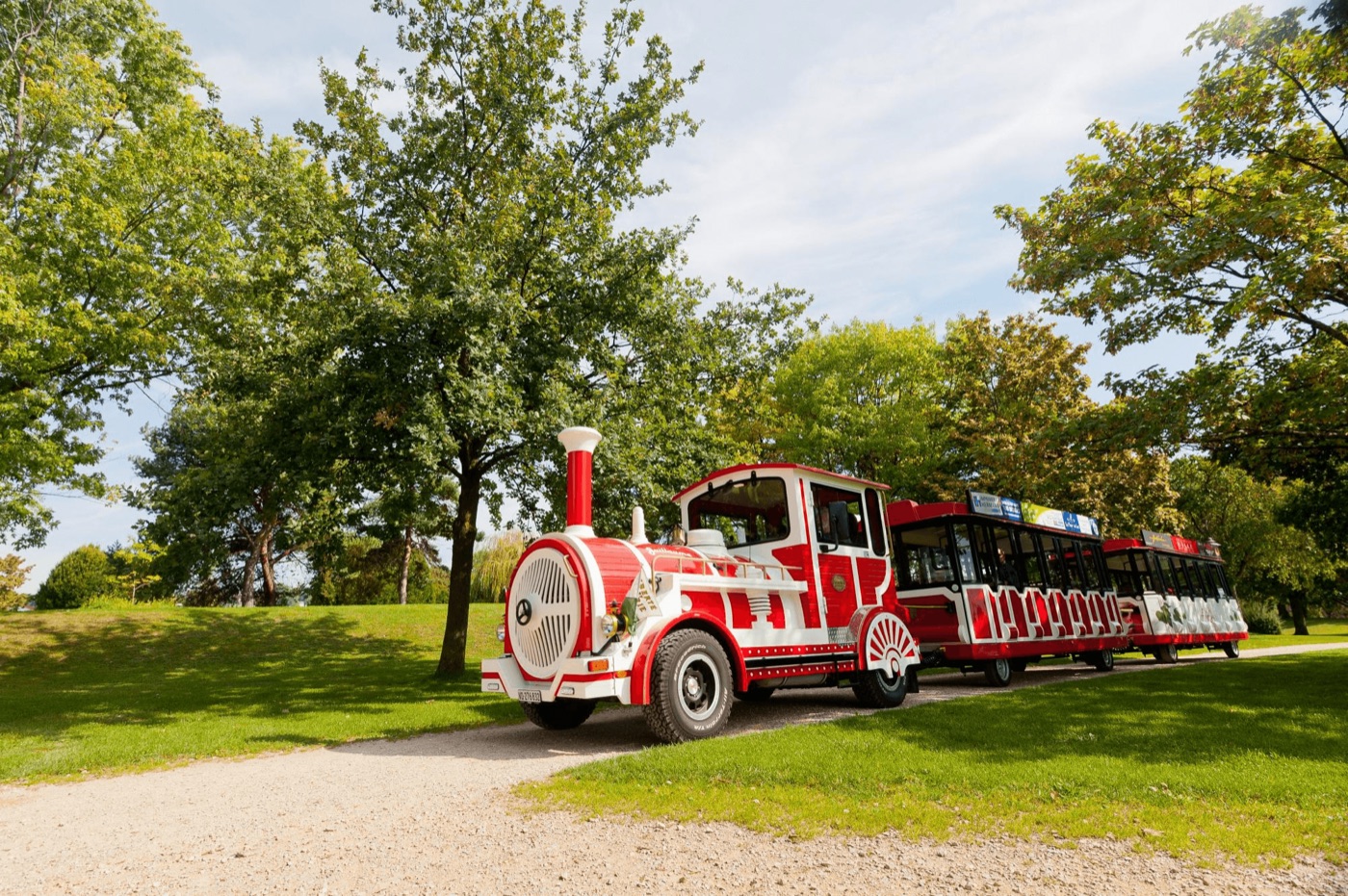
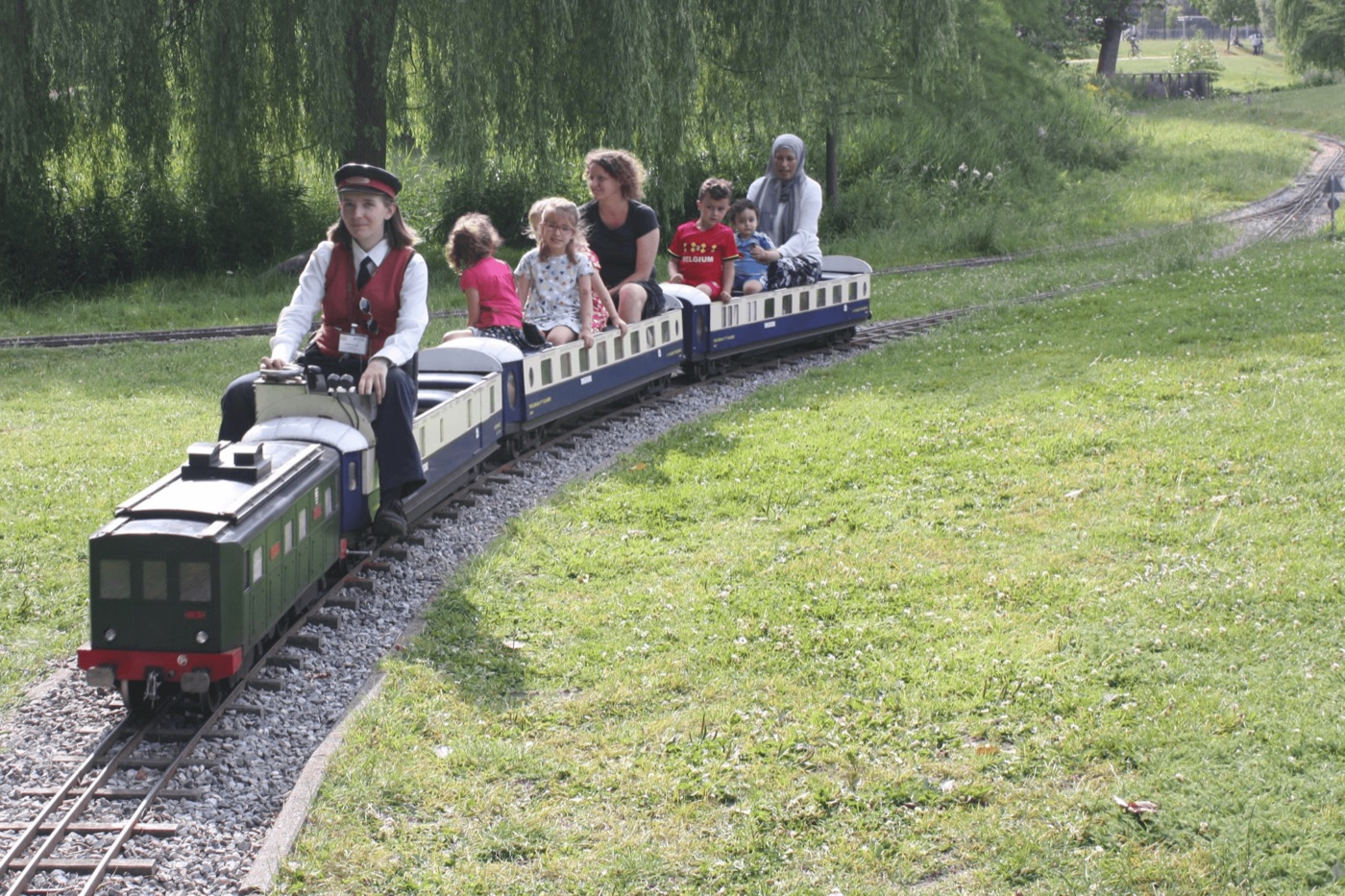
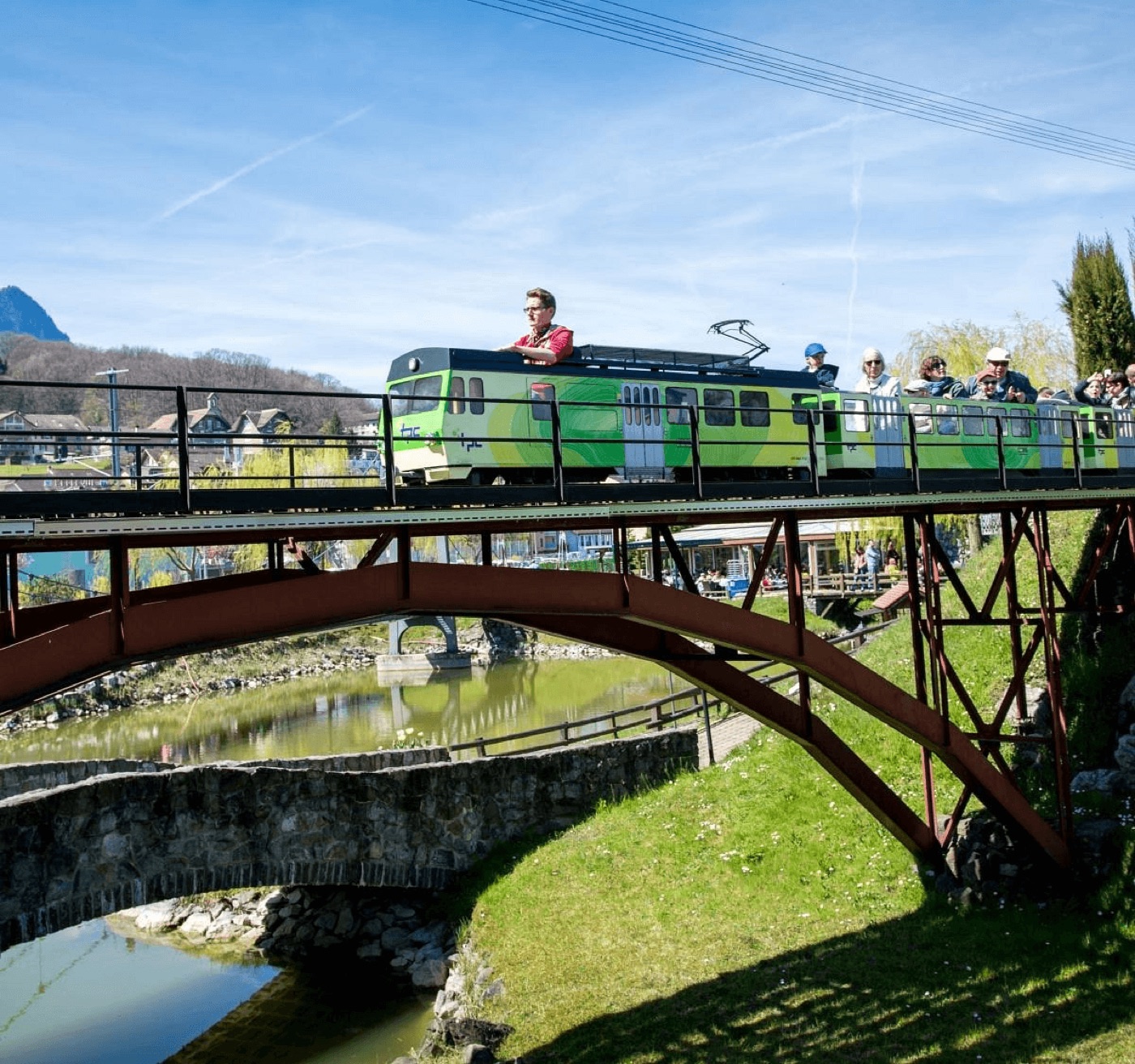
The Swiss also love trains so much that they have tons of “kids' trains” – everything from tourist trains on rubber wheels that roll through towns (including wine trains that roll around among the vineyards) , to “mini trains” that run on tracks around parks. They even have their own entire amusement park – Swiss Vapeur Parc – with ten or so train lines run by mini steam trains.
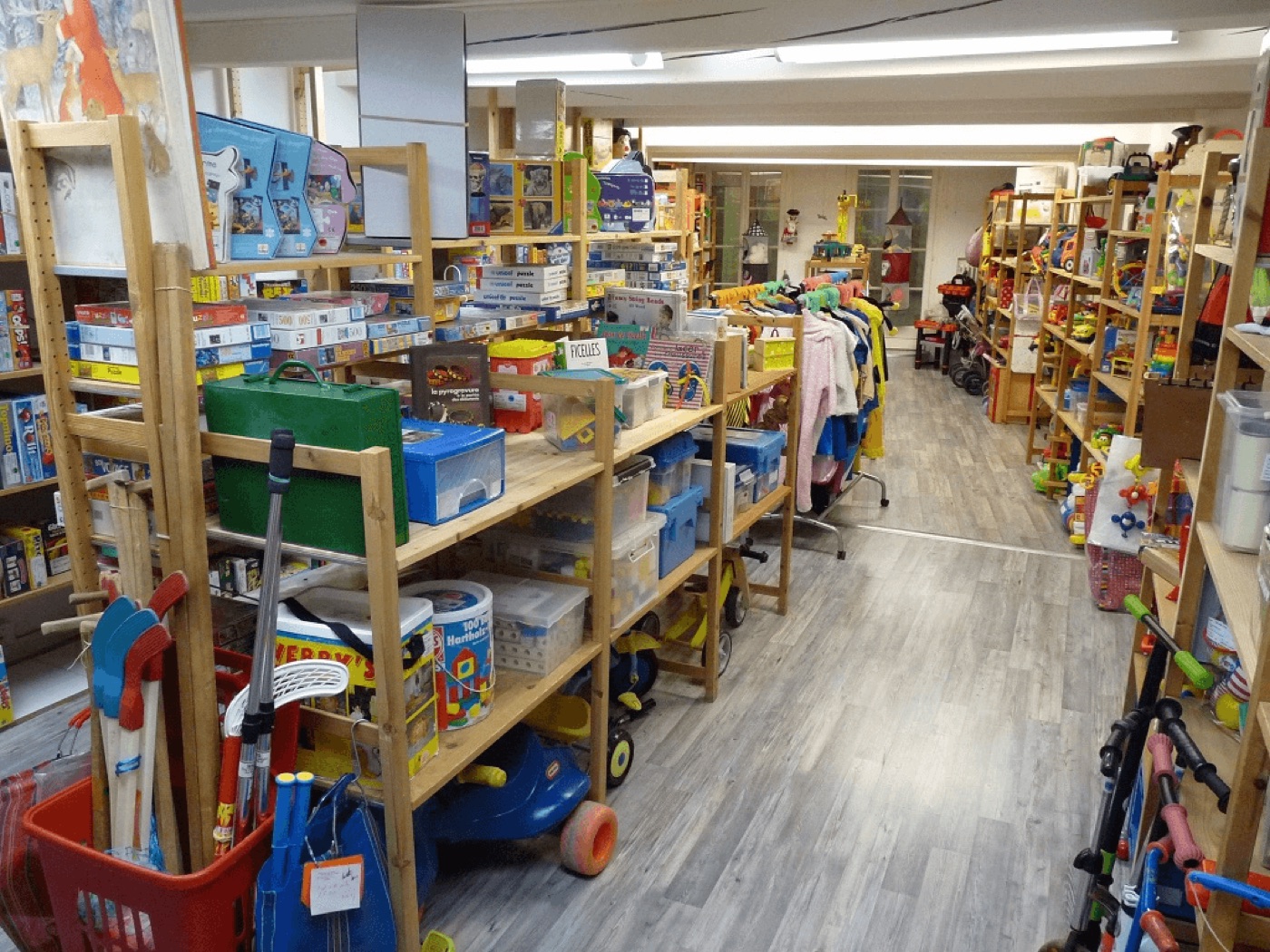
Lausanne has six “toy libraries” (ludotheque). These are places that are independent of the regular library, and that rent out toys very cheaply (10-20 kr per week). They have big collections of wooden toys, building blocks, puzzles, board games, science games, dress-up clothes, etc. Run by volunteers, while the municipality pays the rent. This is a bit like Bua, but with more focus on toys. A fantastic offer for all families with kids, you get to try out lots of “fresh” toys, without having to buy everything new that disappears into the storage room after a week or two anyway.
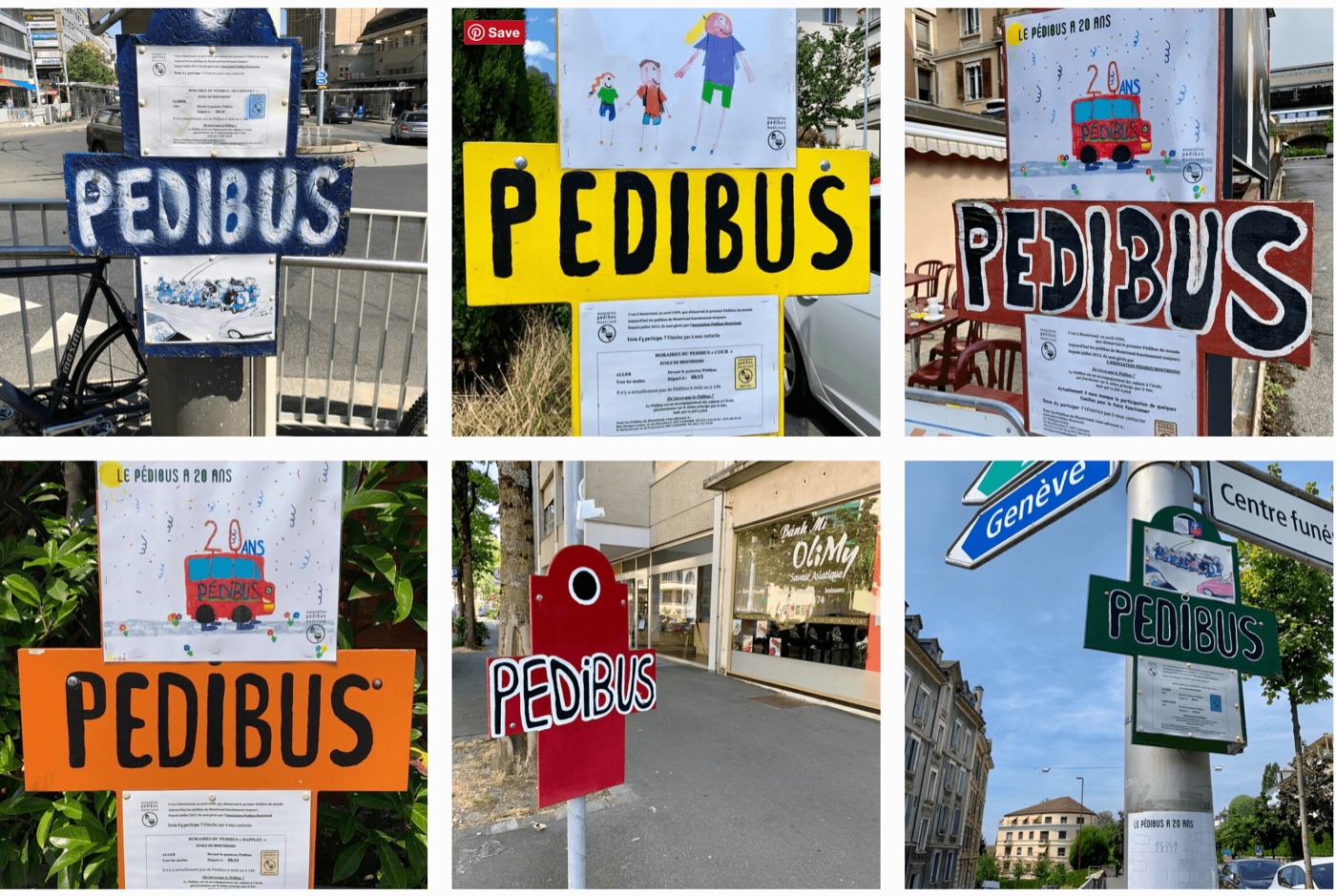
No yellow school buses in Switzerland, instead kids mostly get to school by walking or taking public transit (more driving in rural areas, of course). For the smallest kids the parents arrange "pedibus" – different parents take turns leading a group of kids to school, and stop at specific "pedibus stops" along the way to pick them up. The Swiss Pedibus System — Observing Leslie
Farming and tourism
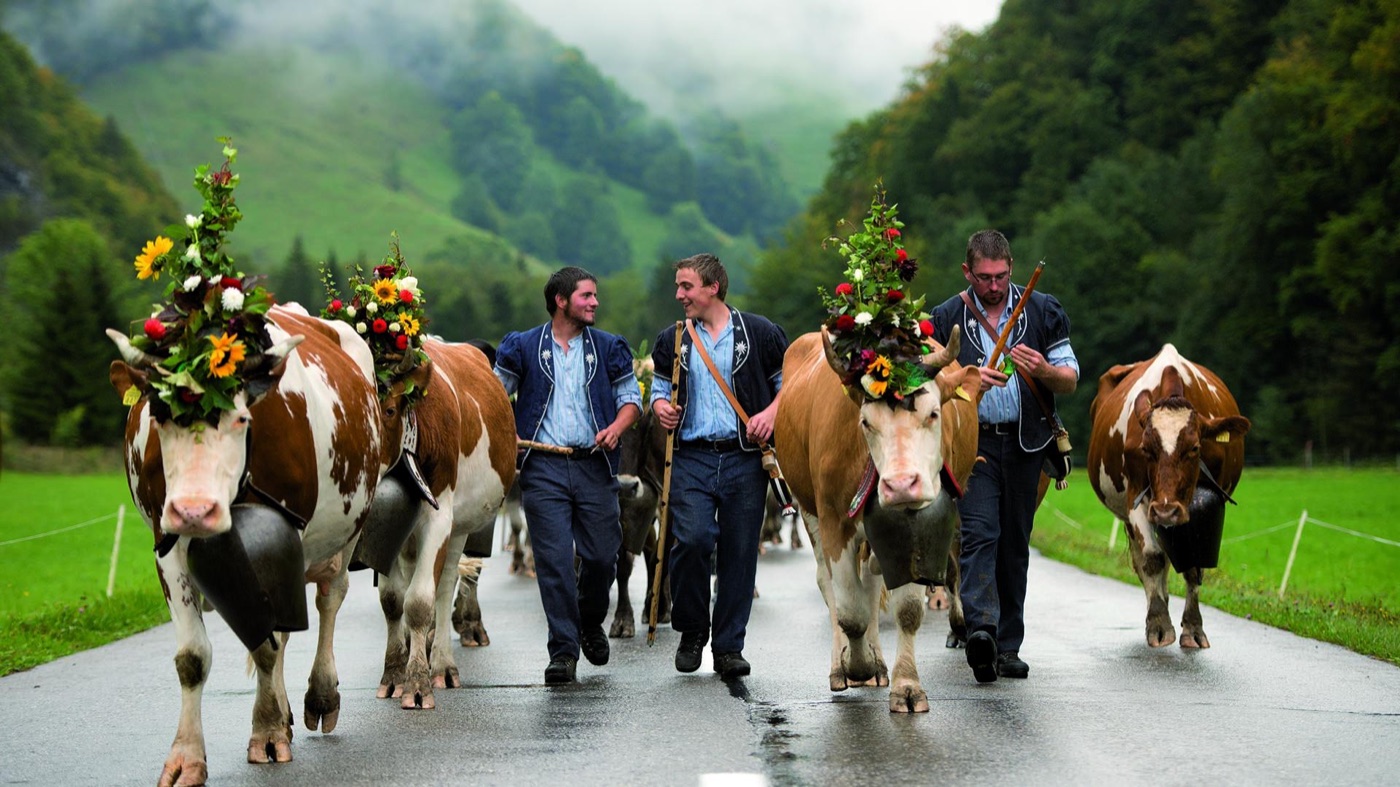
The Swiss really value their farming, and have high tariffs against food imports, with specific quotas limiting imports of cheese and meat. But on top of that farm tourism is very widespread. It's still very common to bring the cows up to the summer pastures – the farmers decorate the cows with flowers and march off with them in a procession through many villages, both when the cows are going up to the summer pastures, and when they come back again, are popular tourist events. Everywhere you walk there are small summer farms selling cheese and farm products.
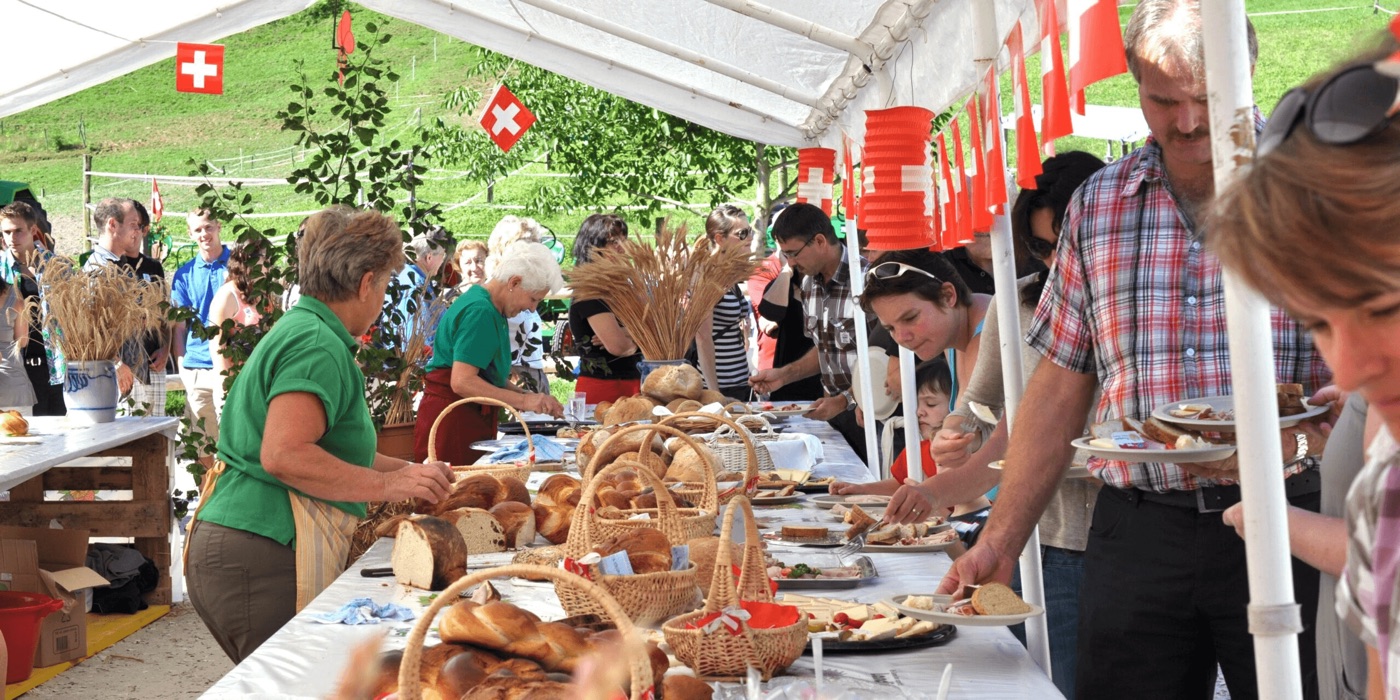
Switzerland has its national day on 1 August, and they don't have children's parades. In many small municipalities all the residents are invited for a glass of champagne at the town hall, and they often have a shared barbecue. In big cities there are often shared fireworks in the evening. But a very popular activity is to go for a farm lunch… For the Swiss it's the most patriotic thing they can do, and about 300 farms invite people to brunch – everything from those who set tables for 200 people, to small garden parties for 20. The food that's served is from the farm and the neighboring farms and there are often activities for kids, like pony rides, feeding animals, etc.
Garbage
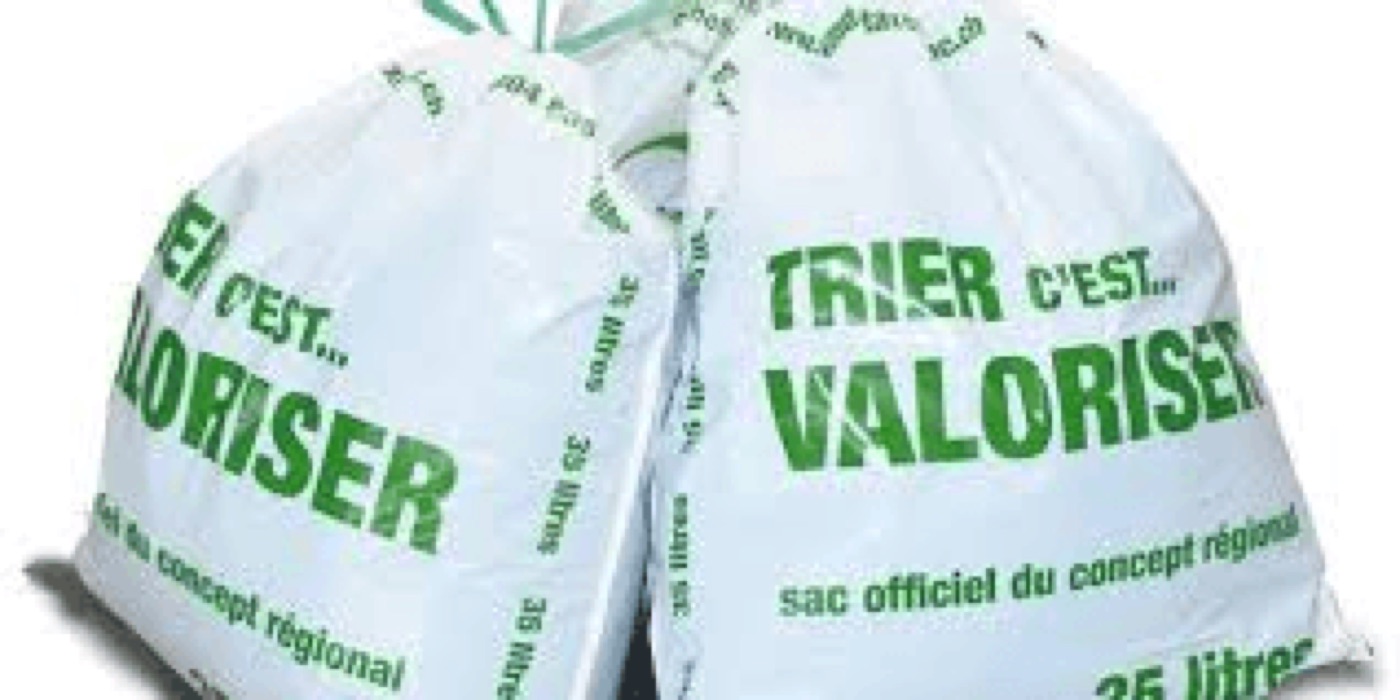
The Swiss are big on recycling. Since most people live in apartments and don't have their own garbage can , they have a different method for limiting mixed garbage. You're only allowed to throw out mixed garbage in special bags. These bags cost from 12 kr a bag for 17 liter bags, and up. So it pays better to sort out everything that can be recycled – that's free to throw out. (Families with newborn kids get a pile of bags for free for diapers).
What can we learn?
Switzerland is of course a completely different country from Norway, geographically and historically. But maybe there can be some inspiration here, here are a couple of ideas:
Can we develop attractive packages for tourists that bundle public transit and museums etc? And could a tourist tax that gives access to a day pass for the days you're in a city, be an idea?
Toy libraries are genius
Playgrounds and gathering places where it's nice to hang out for both kids and adults, as well as creative places where kids get to build and make things
Solutions that combine car-free downtowns with the possibility of doing big shopping trips
How to inspire more farm tourism and activities that give people more identification with farming, and more income for farmers
How can we make it more attractive to use public transit to the cabin, to the ski slope and to other places where people usually drive? Will self-driving cars or minibuses be a possible solution to “the last mile” problem?